The Hidden Cost of Waiting Too Long to Get Dentures in Lindon, Utah
If you are missing teeth or have teeth that are failing, it is completely normal to delay the decision to get dentures. Many Lindon residents wait because they feel nervous, overwhelmed, or simply hope things will improve on their own. But here is the reality most people never hear until it is too late: waiting too long to get dentures can make treatment harder, more expensive, and less predictable.
Early action leads to better results, better comfort, and a more natural-looking smile. This guide explains what really happens inside your mouth when dentures are delayed and why timing matters more than most people realize.
Why Timing Matters for Denture Success
Dentures offer more than a cosmetic solution. They restore chewing ability, strengthen confidence, improve speech, and protect your facial structure.
But dentures work best when they are made before significant bone loss occurs. You may not feel it happening, but waiting too long changes how your jaw supports the denture, making it less stable and less comfortable. When you take action early, you get:
• A better-fitting denture
• More natural facial support
• A stronger foundation for long-term comfort
• Fewer costly adjustments
• Better speech and eating performance
What Happens Inside Your Mouth When You Delay Dentures
Tooth loss is not a static situation. Once a tooth is missing, the jawbone immediately begins responding to the new “empty space.”
Here is what happens when dentures are delayed:
- The bone begins to shrink in the area where the tooth used to be.
- The neighboring teeth start shifting and tilting.
- The bite collapses, creating new alignment problems.
- The facial structure gradually sinks inward.
The process is slow, but it is constant. Even waiting six to twelve months after losing multiple teeth can make a noticeable difference in your bone structure.
Bone Loss Progression Explained Simply
Your jawbone depends on the pressure and stimulation it receives from chewing. When a tooth disappears, the bone underneath no longer has a job to do, so the body starts to dissolve it.
This is called bone resorption, and it happens in three stages:
Stage 1: Initial Shrinkage (0 to 6 months)
20 to 30 percent of bone volume can disappear in the first six months after losing a tooth.
Stage 2: Ongoing Bone Loss (6 to 24 months)
The bone becomes narrower, softer, and less stable. Dentures become harder to fit.
Stage 3: Advanced Bone Loss (2 years and beyond)
This stage makes dentures significantly looser and may require:
• Frequent relines
• New dentures
• Special denture adhesives
• Or even implant-supported stabilization
The longer someone waits, the more the bone changes. Early evaluation helps prevent these issues and makes your denture experience much more comfortable.
Facial Changes Patients Don’t Expect
One of the biggest hidden effects of delaying dentures is how it reshapes your appearance.
Bone loss around missing teeth can cause:
• Wrinkles around the mouth
• A sunken or “collapsed” look
• A shorter distance between the nose and chin
• Drooping lips
• Premature aging Most people do not realize these changes are directly tied to missing teeth. Dentures restore the vertical height of the face and rebuild natural lip support, helping you maintain a younger, healthier look.
Emotional and Social Effects Many Lindon Patients Experience
Missing teeth affects more than chewing and appearance. Many patients quietly deal with:
• Avoiding photos
• Smiling less
• Feeling self-conscious in conversations
• Difficulty eating around others
• Changes in speech that affect confidence
• Stress and anxiety about future dental problems
Dentures give you back your smile and your confidence. Many patients describe the experience as “life-changing” because they can finally eat, speak, and smile without embarrassment.
Why Early Evaluation Leads to a Better Fit
An early denture consultation helps prevent the cascade of bone loss, bite collapse, and facial structure changes that come with waiting too long.
Here is why early treatment matters:
• Dentures fit better when more bone is present
• Adjustments are easier
• More natural tooth shapes and colors can be selected
• Facial support is stronger
• Future bone loss can be slowed with the right plan
Even if you are not ready for dentures immediately, meeting with a dentist early ensures you have a long-term plan and options.

If you live in Lindon, Utah and have missing or failing teeth, now is the best time to schedule a denture evaluation. Early action leads to better comfort, a better fit, and a more confident smile.
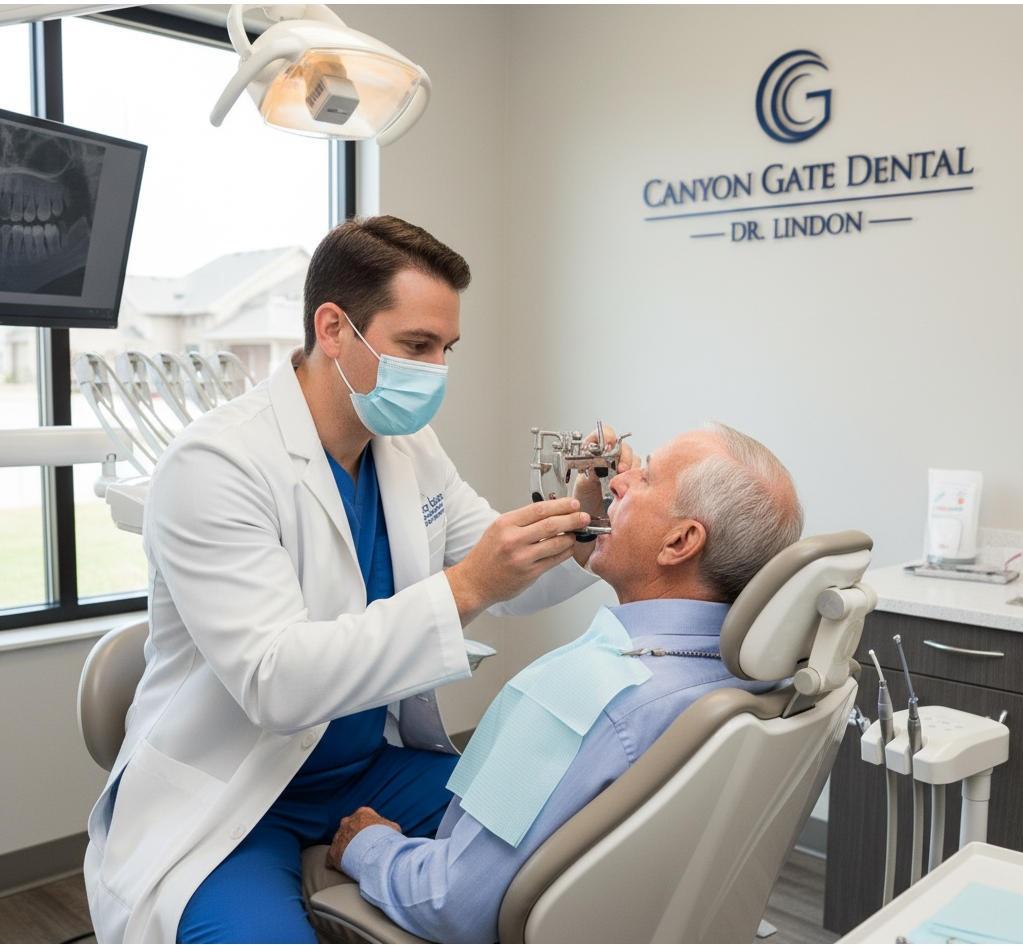
Contact Canyon Gate Dental today to schedule your consultation.
FAQs
How long can I wait before getting dentures?
Most dentists recommend evaluating tooth loss immediately. Waiting more than six months increases bone loss and complicates treatment.
Do dentures hurt?
Modern dentures are designed for comfort. Minor soreness during the first week is normal, but dentures should not be painful.
Will dentures make me look older?
No. Properly fitted dentures restore facial support and can make you look younger.
Can dentures stop bone loss?
Dentures do not stop bone loss completely, but early treatment helps slow the process.