Emergency Dental Care in Lindon, Utah: When to Call
Severe or worsening tooth pain, a knocked-out or badly broken tooth, uncontrolled bleeding in the mouth, or facial swelling that affects breathing or swallowing are all signs you need emergency dental care right now, not a wait-and-see appointment next week. For families in Lindon, that usually means calling a dentist who can see you the same day rather than driving straight to the emergency room, since most ERs aren’t equipped to actually treat the tooth. Canyon Gate Dental in Orem, just minutes from Lindon off I-15, handles these situations regularly. Here’s how to tell what you’re dealing with, and what to do first.
What Actually Counts as a Dental Emergency
Not every dental problem needs same-day attention, and not every ache means you should panic. A dental emergency is any situation where waiting could mean losing a tooth, letting an infection spread, or leaving you in pain you can’t manage at home. That generally covers five categories:
- Uncontrolled or worsening pain — especially pain that wakes you up at night or doesn’t respond to over-the-counter medication
- Trauma — a tooth that’s been knocked out, cracked through the root, or pushed out of position after a fall, sports collision, or accident
- Infection or swelling — facial swelling, a bump on the gum that looks like a pimple, or a bad taste that won’t go away, which can signal a spreading abscess
- Bleeding that won’t stop — from an injury, an extraction site, or gum tissue
- A lost filling or crown paired with pain — the restoration itself isn’t an emergency, but exposed nerve pain underneath it often is
A chipped tooth with no pain, a lost filling with no sensitivity, or mild, short-lived soreness after eating something hard usually isn’t an emergency — it’s worth a call to schedule a regular visit, but it can wait a day or two.
Signs You Should Call a Dentist Immediately vs. Wait for a Regular Appointment
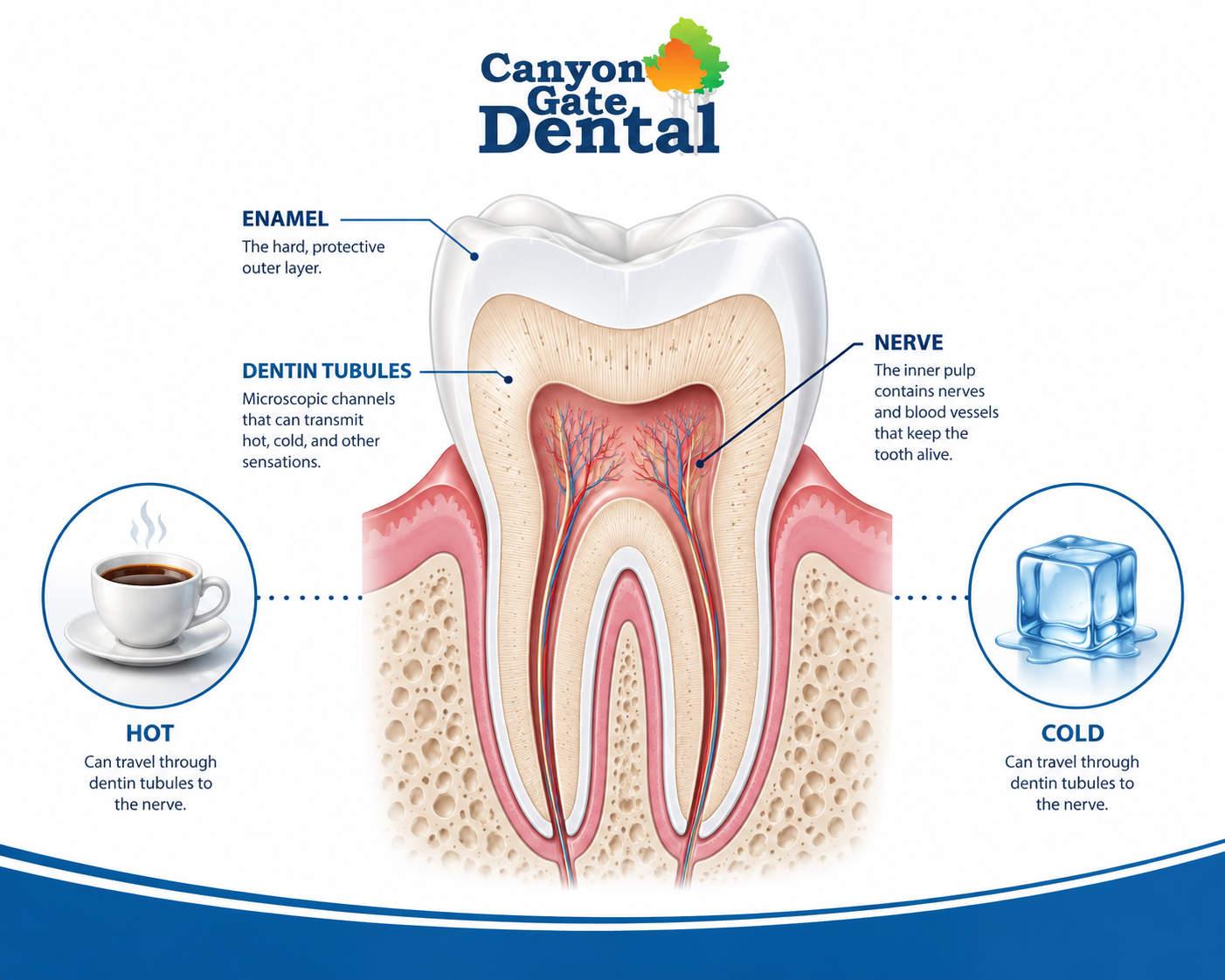
If you’re standing in your kitchen trying to decide whether to call right now, use this as a quick gut check. Call immediately if you have: a knocked-out permanent tooth, a tooth that’s visibly loose or shifted after an injury, facial swelling that’s spreading, pain sharp enough that it’s hard to talk or eat, or bleeding that hasn’t slowed after 10–15 minutes of steady pressure. It’s reasonable to wait for a regular appointment if you have mild sensitivity to hot or cold, a small chip with no pain, a lost filling with no discomfort, or soreness that’s clearly improving day to day.
Why Local Sports and Weekend Activities Drive Dental Emergencies in Lindon
A large share of the emergency calls we see from Lindon and the surrounding area trace back to the same handful of situations: a foul ball or elbow during a game at Lindon City Park, a fall off a bike or scooter on a neighborhood street, or a collision during a pickup game at a local school field. These are almost always trauma cases — a chipped, cracked, or fully knocked-out tooth — and they tend to happen on evenings and weekends, exactly when it’s hardest to reach a dental office. Knowing the first-aid basics below before it happens is genuinely useful for any Lindon family with kids in sports.
What to Do in the First Few Minutes, Before You Reach the Dentist
If a tooth gets knocked out completely, pick it up by the crown (the white part, not the root), rinse it gently with water if it’s dirty — no scrubbing, no soap — and try to place it back in the socket facing the right way if the person can tolerate it. If that’s not possible, keep the tooth moist in a small container of milk, not water, and get to a dentist within 30 to 60 minutes; the odds of saving the tooth drop fast after that window. For bleeding, apply firm, steady pressure with clean gauze or a cloth for a full 10 to 15 minutes without checking every few seconds. For swelling, a cold compress on the outside of the face in 15-minute intervals can help control it on the way in.
There’s one important exception: if the injury involves a broken jaw, a deep facial cut, loss of consciousness, or trouble breathing or swallowing, that’s an ER situation, not a dental one — go there first, and a dentist can address the tooth once the person is stable.
Getting Same-Day Emergency Care Near Lindon
Canyon Gate Dental, led by Dr. Nick Young, sees emergency patients from Lindon on a regular basis, and being just off I-15 in Orem means it’s typically a short drive rather than a long one when every minute matters. Same-day emergency slots are built into the schedule specifically for situations like the ones above, so you don’t need to already be an established patient to get seen.
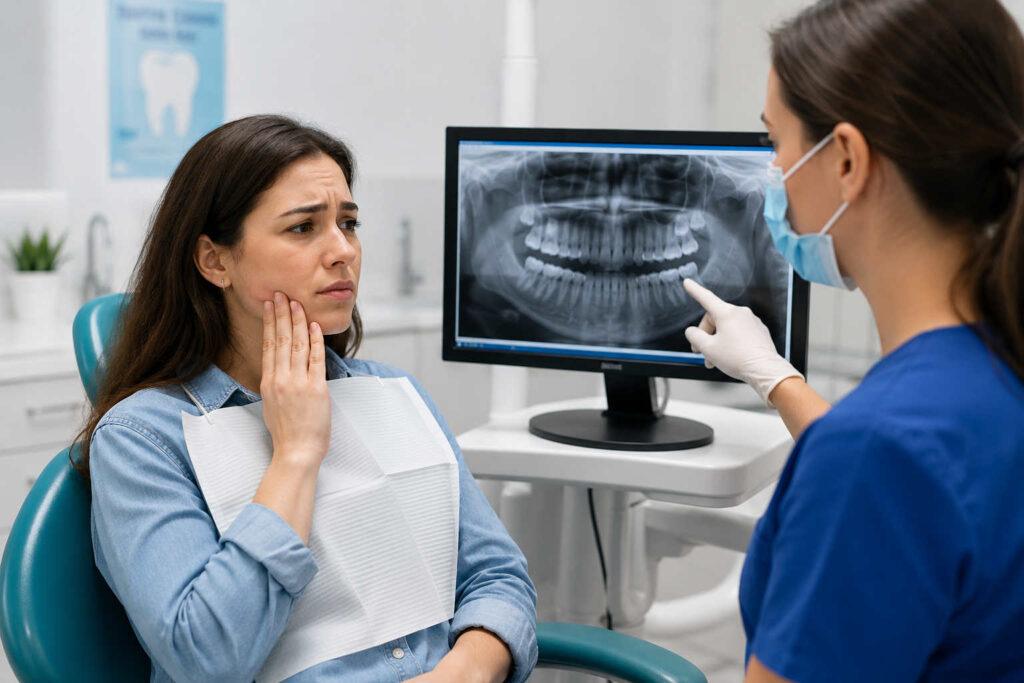
If you’re in Lindon and dealing with sudden tooth pain, a knocked-out tooth, or facial swelling, don’t wait it out.
Call Canyon Gate Dental in Orem at (801) 764-9444 — we see emergency patients quickly and are just a short drive from Lindon.
Frequently Asked Questions
Is a chipped tooth a dental emergency?
Only sometimes. A small chip with no pain or sensitivity can typically wait for a regular appointment. A chip that exposes the inner tooth, causes sharp pain, or has a jagged edge cutting your tongue or cheek should be seen the same day.
What should I do if my tooth gets knocked out playing sports in Lindon?
Handle it by the crown only, rinse gently without scrubbing, try to reinsert it in the socket if possible, and if not, store it in milk. Get to Canyon Gate Dental within 30 to 60 minutes for the best chance of saving the tooth.
Should I go to the ER or a dentist for a dental emergency?
Go to the dentist for tooth pain, trauma, infection, or bleeding limited to the mouth. Go to the ER if there’s a broken jaw, a deep facial injury, loss of consciousness, or trouble breathing or swallowing.
How fast can I get seen for a dental emergency near Lindon, Utah?
Canyon Gate Dental holds same-day appointment slots for emergencies. Call as early in the day as possible for the best chance at a same-day visit.
What if I can’t reach my regular dentist after hours?
Call Canyon Gate Dental directly — you don’t need to already be an established patient to be seen for an emergency.
Can a swollen face from a tooth infection be dangerous?
Yes. Facial swelling from a dental infection can spread if left untreated. Swelling that’s growing, especially near the eye or throat, needs same-day evaluation.
What should I bring to an emergency dental appointment?
A photo ID, your insurance card if you have one, a list of current medications and allergies, and — if relevant — the knocked-out or broken tooth stored in milk.