If you want a noticeably whiter smile, fast and with the fewest surprises, professional teeth whitening beats at-home kits. Over-the-counter strips and gels use the same basic ingredient as a dentist’s whitening gel, but at lower strengths, so they work more slowly and usually lighten teeth less. At-home kits can still be a reasonable choice for mild surface stains if your teeth and gums are healthy. For most Orem adults, the right answer depends on three things: how much change you want, how sensitive your teeth are, and whether you have crowns, veneers, or fillings on your front teeth.
Here’s how professional teeth whitening and at-home kits actually compare, and how to tell which one fits your smile.
How Teeth Whitening Works (Professional or At-Home)
Almost every whitening product, from a drugstore strip to an in-office treatment, relies on peroxide. The American Dental Association notes that carbamide peroxide and hydrogen peroxide are the most common bleaching ingredients, used at different concentrations depending on the product. The peroxide moves into the enamel and breaks apart the molecules that make teeth look yellow or dull.
So the real difference between professional teeth whitening and at-home kits isn’t the chemistry. It’s three practical things:
- Strength: the ADA notes that over-the-counter products contain peroxide at lower concentrations than in-office or dentist-prescribed whitening.
- Fit: a strip or one-size tray shifts around, so gel reaches some teeth unevenly and can sit on your gums. Custom trays are made to fit your teeth and keep gel off the gum line.
- Supervision: a dentist checks for cavities, gum problems, and existing dental work before whitening, then adjusts the plan if sensitivity shows up.
Whitening toothpastes are a different category. According to the ADA, they rely mainly on mild abrasives to scrub off surface stains, and some contain small amounts of peroxide. They help keep teeth bright, but they won’t change your underlying tooth shade much.
Professional Teeth Whitening vs. At-Home Kits: Side by Side
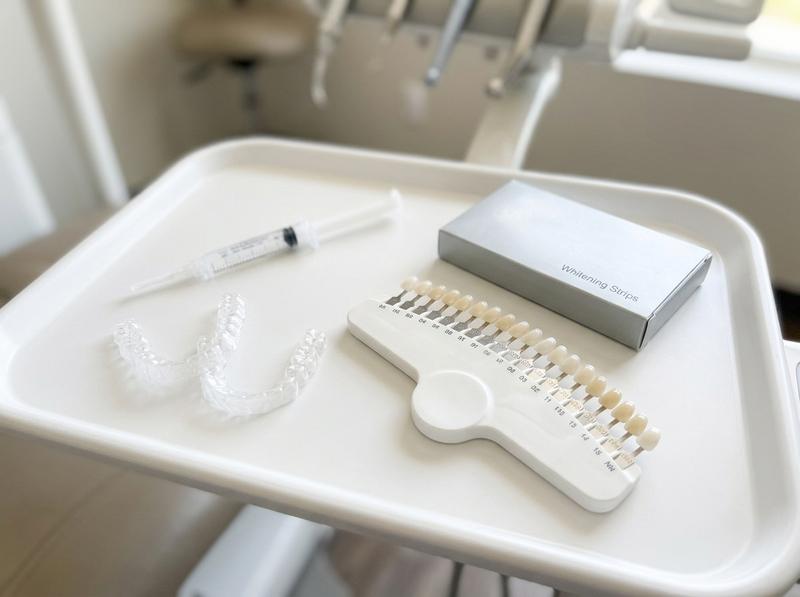
At Canyon Gate Dental, professional whitening comes in two forms: an in-office treatment and a take-home kit with custom trays. Here’s how both compare to store-bought kits:
| In-office whitening | Custom take-home trays | Store-bought strips & kits | |
| Gel strength | Highest | Professional-grade, lower than in-office | Lowest |
| Time to results | About an hour in our office | A few days to a few weeks | Typically one to two weeks of daily use |
| Fit and gum protection | Barrier placed on gums before treatment | Trays made to fit your teeth | One-size strips or trays |
| Dental exam first | Yes | Yes | No |
| Best for | A big change before an event | Gradual whitening on your own schedule | Mild surface stains on healthy teeth |
In-Office Whitening
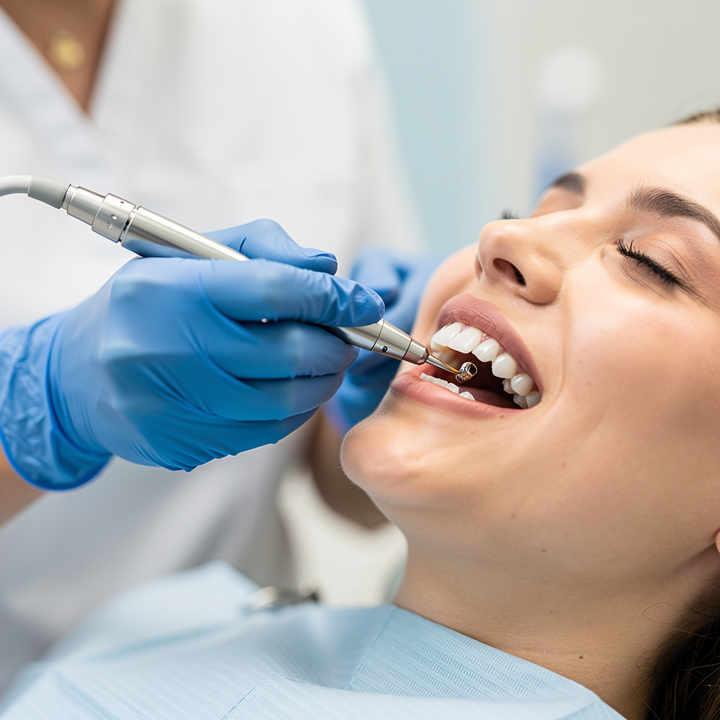
In our Orem office, we place a protective barrier on your gums, apply a professional whitening gel, and activate it with a special light. In about an hour, teeth can become several shades whiter. This is the option most people choose when they want visible results before engagement photos, a wedding, or a UVU graduation.
Custom Take-Home Trays
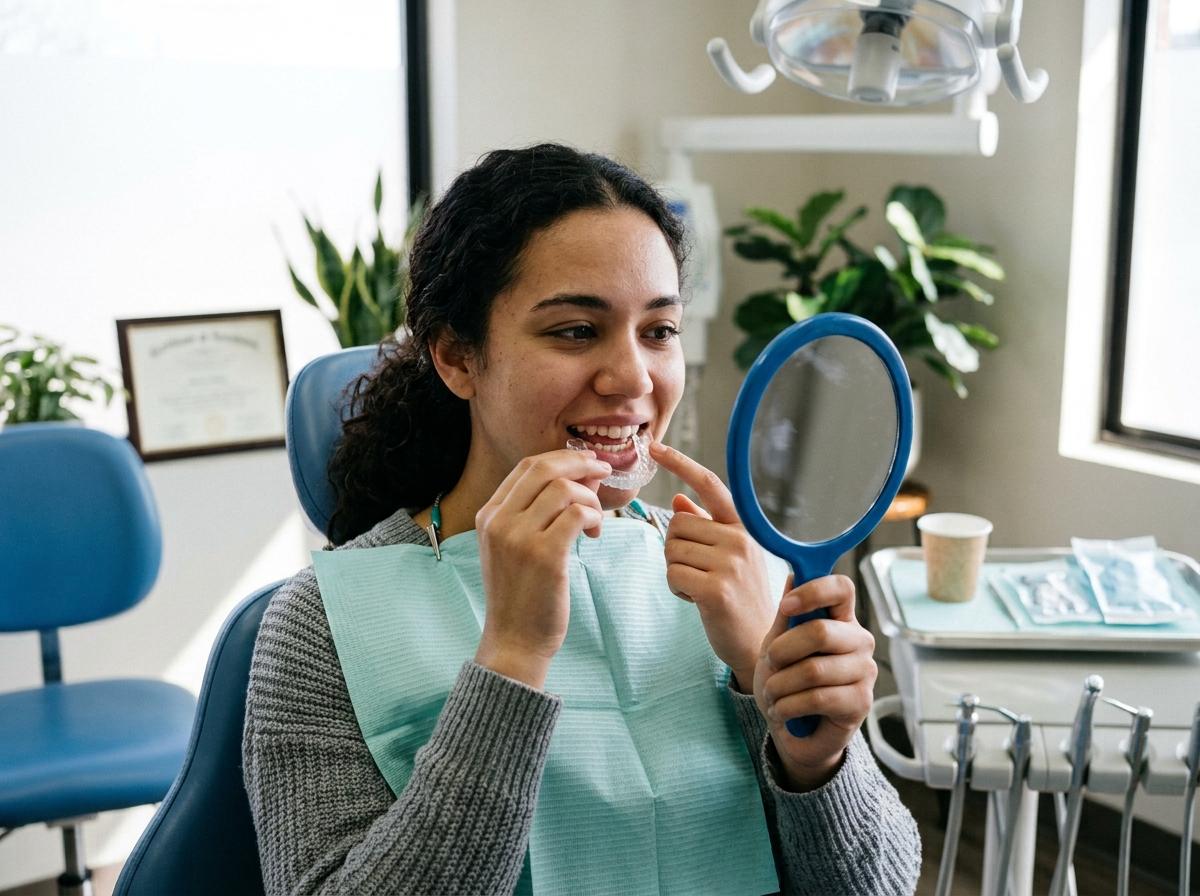
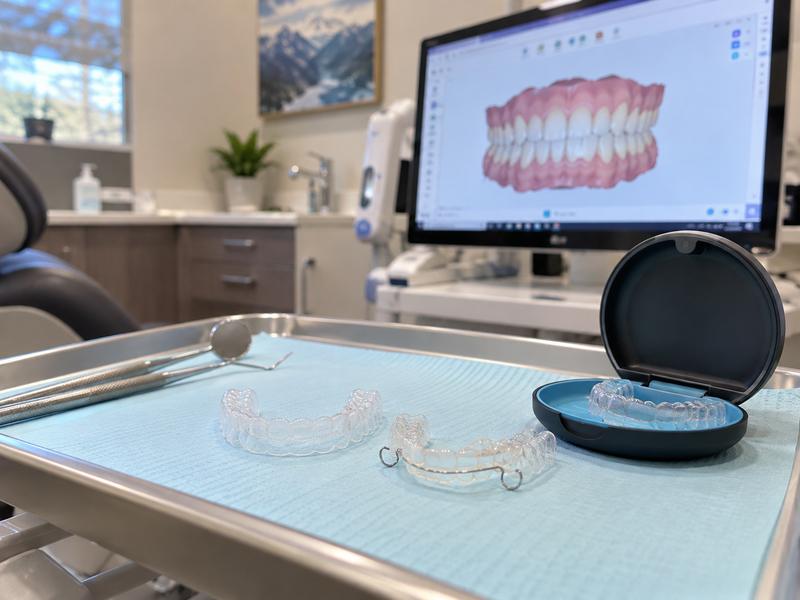
For take-home whitening, we make trays shaped to your teeth and send you home with professional-grade gel. You wear them for a few days or a few weeks, depending on the shade you’re after. Because the trays fit closely, the gel stays on your teeth instead of washing onto your gums. Many patients like this route because they control the pace, and keeping the trays makes future touch-ups simple.
Store-Bought Strips and Kits
Drugstore strips can lighten mild surface stains, and some carry the ADA Seal of Acceptance, which means the company showed the product is safe and effective when used as directed. Results tend to be slower and smaller than professional whitening, and strips that slide around can irritate gums. Skip the light-up mouthpieces and charcoal powders sold online; you have no way to verify what’s in them.
Why Orem Smiles Pick Up Stains Faster
The ADA lists coffee, tea, red wine, and cola drinks among the common causes of surface (extrinsic) stains. In Utah County, the big one is soda. Utah has more dirty-soda shops than any other state, and a daily Dr Pepper or Diet Coke run is part of life for a lot of Orem families. Dark sodas stain, and the acid in all sodas softens enamel, which helps stains stick.
That doesn’t mean you have to give up your drink. It does mean that whatever whitening method you choose, results will fade faster if dark sodas are a daily habit. A few habits help:
- Drink dark sodas through a straw, and rinse with water when you finish.
- Wait about 30 minutes after soda before brushing, so you’re not scrubbing softened enamel.
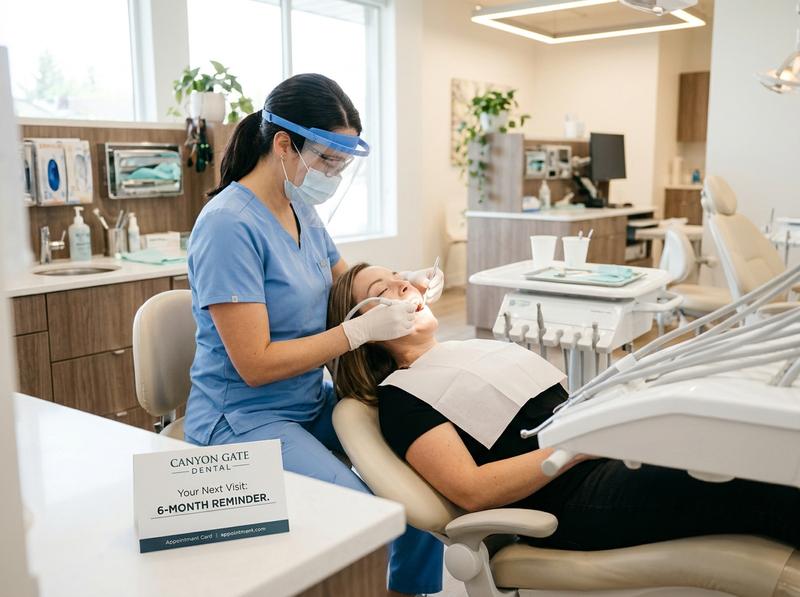
- Keep your regular cleanings. A professional cleaning removes a lot of surface stain on its own, and it’s the right first step before any whitening.
Some discoloration isn’t a surface stain at all. Teeth darken naturally with age, and staining from certain medications or from fluorosis sits inside the tooth. Whitening can still help, but how much it changes depends on the type of stain. When stains don’t respond well, veneers or bonding may give a better result, and a consultation is the way to find out.
Who Shouldn’t Use At-Home Whitening Kits Without a Dental Exam
At-home kits are sold to everyone, but they aren’t a good fit for everyone. Talk to a dentist first if any of these apply to you:
- You have crowns, veneers, bonding, or tooth-colored fillings on your front teeth. The ADA is clear that only natural teeth whiten. Your dental work stays the same color, so whitening around it can leave a visible mismatch.
- Your teeth are already sensitive. Temporary sensitivity and gum irritation are the most common side effects of whitening, according to the ADA, and they’re harder to manage on your own.
- You have a cavity, a cracked tooth, or receding gums. Peroxide reaching exposed or damaged areas can cause real discomfort, so those problems should be treated first.
- Your gums bleed when you brush or floss. That’s often a sign of gum inflammation, and whitening gel will aggravate it.
- Your stains are gray, uneven, or limited to one tooth. A single dark tooth can signal a problem inside it, and that needs an exam, not a whitening strip.
What Affects the Cost of Teeth Whitening in Orem
Store-bought kits cost less up front, but cost is easier to judge once you factor in results and repeat purchases. Things that change what you’ll invest in whitening include:
- The method: in-office, custom take-home trays, or both combined
- How many shades of change you’re aiming for
- Whether you need a cleaning or any dental treatment before whitening
- How often you’ll need touch-ups, which depends heavily on coffee, tea, and soda habits
- Whether you already have custom trays from a past treatment
Whitening is a cosmetic treatment, so dental insurance usually doesn’t cover it. For an exact quote based on your teeth and goals, call Canyon Gate Dental at (801) 764-9444.
Professional Teeth Whitening or an At-Home Kit: Which Is Right for You?
If you want the biggest change in the least time, in-office whitening is the clear pick. If you’d rather whiten gradually and keep your trays for touch-ups, custom take-home trays are a strong middle ground. And if your teeth are healthy, your stains are mild, and you have no dental work up front, an ADA-accepted strip is a reasonable place to start. For most Orem patients choosing between professional teeth whitening and at-home kits, a short consultation settles it, because the right method depends on what’s causing the discoloration in the first place.
Book a Whitening Consultation in Orem
Not sure whether professional teeth whitening or an at-home kit is right for you?
Call Canyon Gate Dental at (801) 764-9444 or book online to schedule a whitening consultation with Dr. Nick Young. Our office is at 440 W 800 N in Orem, and we see patients from Orem, Lindon, Vineyard, and across Utah Valley. When you book online, check our website for any current whitening offer.
Frequently Asked Questions
Is professional teeth whitening better than whitening strips?
For most people, yes. Professional gel is stronger than store-bought strips, custom trays or an in-office gum barrier keep it off your gums, and a dentist checks your teeth first. Strips can work for mild surface stains on healthy teeth, but results are usually slower and smaller.
How long does professional teeth whitening last?
Results can last several months to a year or more with good oral hygiene. Coffee, tea, dark soda, and tobacco bring stains back faster. Keeping your custom trays makes touch-ups quick.
Does teeth whitening work on crowns, veneers, or fillings?
No. Only natural teeth respond to whitening gel. Crowns, veneers, bonding, and tooth-colored fillings keep their original shade. If you have dental work on your front teeth, plan your whitening with your dentist so everything matches.
Will whitening make my teeth sensitive?
Some temporary sensitivity is common with any whitening method, and it usually fades after treatment ends. Professional whitening lets your dentist protect your gums, adjust the plan, and recommend products that reduce sensitivity.
Are at-home whitening kits safe?
Products with the ADA Seal of Acceptance have been shown to be safe and effective when used as directed. Problems usually come from overusing products, using kits with poorly fitting trays, or whitening over untreated cavities or gum disease.
Can I whiten my teeth if I drink soda every day?
Yes, but expect stains to return sooner. Drinking dark sodas through a straw and rinsing with water afterward helps your results last longer.
How do I get started with teeth whitening in Orem?
Book a consultation at Canyon Gate Dental. Dr. Nick Young will check your teeth and gums, look at any existing dental work, and help you choose between in-office whitening and custom take-home trays.