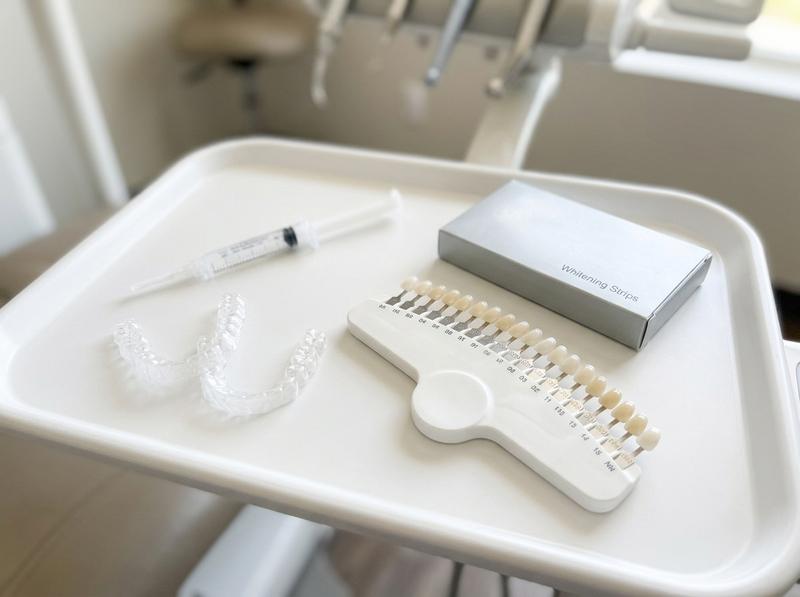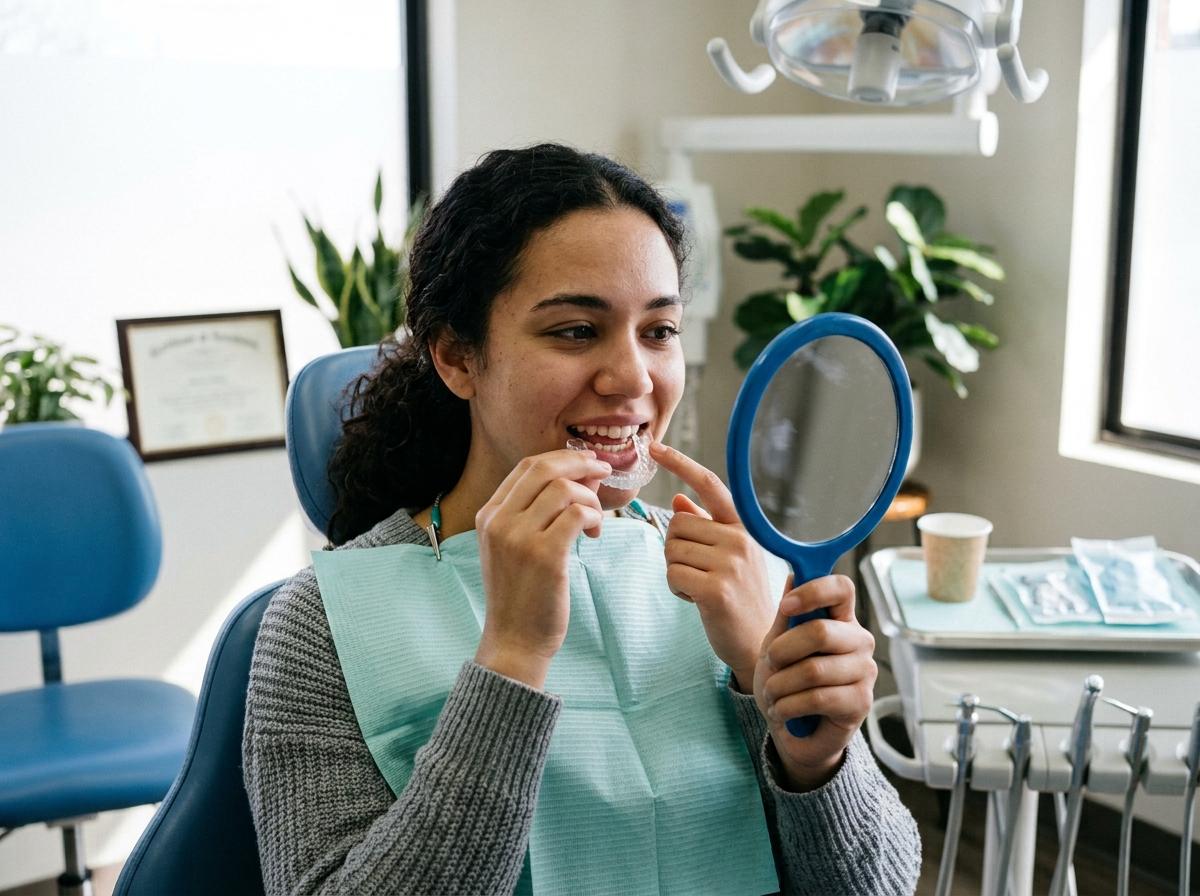

Why Won’t My Teeth Whiten? Stains Whitening Can’t Fix in Orem, UT
If your teeth won’t whiten, the cause is usually one of four things: the stain is inside the tooth rather than on the surface, the tooth that looks dark is a crown, veneer, bonding or filling that bleach can’t change, a single tooth has darkened after an injury or root canal, or the spots you’re seeing are white or brown marks that whitening can make more noticeable. None of these mean you’re stuck with the color. They mean whitening alone isn’t the right tool, and an exam at an Orem dental office can tell you which one you’re dealing with.
This guide explains why some stains don’t respond to whitening, how to tell the difference at home, and when bonding, veneers or another treatment is the better fix. If you’re still choosing between whitening methods, our comparison of professional teeth whitening vs. at-home kits in Orem covers that first step.
Why Teeth Won’t Whiten: Surface Stains vs. Stains Inside the Tooth
The American Dental Association groups tooth discoloration into two types. Extrinsic stains build up on the enamel surface from things like coffee, tea, dark soda, tobacco and pigmented foods. Intrinsic stains sit inside the tooth, in the enamel or the dentin beneath it, and come from causes like tooth development, certain medications, fluorosis, injury and aging.
That difference explains most whitening frustration. The ADA notes that many over-the-counter products, such as whitening toothpastes and gums, work mainly on surface stains and won’t significantly change intrinsic stains or the tooth’s natural color. If you’ve used whitening toothpaste for months and seen little change, the stain may simply be deeper than the product reaches.
Peroxide-based whitening, the kind used in professional in-office treatment and custom take-home trays, can lighten some intrinsic discoloration, because it penetrates the tooth and changes the color chemically. But it works unevenly on some kinds of intrinsic stains, slowly on others, and not at all on dental work. That’s why an Orem patient can whiten successfully and still have one or two teeth that don’t match.
Age plays a role too. The ADA explains that enamel becomes thinner and more translucent over time, which lets the naturally yellower dentin underneath show through. Whitening can brighten that look, but if enamel is thin, results tend to be more modest and touch-ups are needed more often. That isn’t a failed treatment; it’s the limit of what the tooth’s own color allows.
Dental Work Doesn’t Whiten: Crowns, Veneers, Bonding and Fillings
One of the most common reasons a tooth won’t whiten is that it isn’t a natural tooth surface. The ADA is direct about this: only natural teeth can be whitened, not tooth-colored restorations. Crowns, veneers, implant crowns, composite bonding and tooth-colored fillings keep the shade they were made in.
If those restorations were matched to your teeth years ago, whitening the natural teeth around them can leave the dental work looking darker by comparison. Front-tooth fillings and bonding are the usual culprits, because they’re small enough that patients forget they’re there.
The fix is sequence, not stronger bleach. Whiten the natural teeth first, give the color time to settle, and then replace any visible bonding, fillings or crowns to match the new shade. Planning that order before you start avoids paying to replace a restoration twice.
When One Tooth Is Darker Than the Rest
A single gray, brown or dark tooth is a different problem from overall yellowing, and it’s worth getting checked rather than bleached. Single dark teeth are often the result of past trauma, sometimes from an injury years earlier. Bleeding inside the tooth after an injury, or a nerve that has died, can turn a tooth gray from the inside, and dental literature notes that problems with the nerve can show up anywhere from one to 20 years after the injury.
The ADA’s consumer site, MouthHealthy, notes that whitening won’t be effective if the discoloration is caused by medications or a tooth injury. A tooth that’s darkening can also be a sign that it needs treatment, not just a cosmetic fix. That’s especially relevant for Orem families with kids and teens in sports: a front tooth that took a hit on the field or the trampoline and changes color later should be evaluated.
Depending on what the exam finds, options for a single dark tooth can include treatment of the nerve, internal bleaching of a root-canal-treated tooth from the inside, bonding, a veneer or a crown. Which one fits depends on the tooth’s health, how dark it is and how much of the tooth is still intact.
White Spots and Brown Spots: When Whitening Makes Stains More Noticeable
Spots are their own category. White chalky spots often come from fluorosis during childhood tooth development or from mineral loss around brackets during braces. Brown spots or bands can come from fluorosis, certain antibiotics taken while teeth were forming, or developmental conditions.
According to the ADA, brown stains from fluorosis or tetracycline may respond better to bleaching than white spots from fluorosis or orthodontic treatment. White spots can look less noticeable as the rest of the tooth lightens, but results vary, and some patients find the contrast doesn’t improve. Tetracycline staining can lighten too, but the ADA notes it can take three to four months of nightly treatment on average.
For patients in Orem who finished braces or clear aligners and noticed white marks afterward, that’s useful to know before buying strips. A short exam can tell whether the spots will likely blend in with whitening, need a minimally invasive treatment, or are better covered with bonding or veneers.
Teeth Whitening vs. Bonding vs. Veneers in Orem: Which Fix Fits Your Stain
Here’s how the common causes line up with the treatments that usually work best. A dentist will confirm the cause first, because two stains that look alike can need different fixes.
| What you’re seeing | Likely cause | How whitening usually responds | Options if it doesn’t |
| Overall yellow or dull color | Surface staining, aging | Responds well | Repeat or touch-up whitening |
| Yellowing that returns quickly | Diet and drinks, thin enamel with age | Responds, but fades | Touch-ups, habit changes |
| One tooth gray or dark | Past injury, nerve damage | Little or none from outside | Exam first; internal bleaching, bonding, veneer or crown |
| Front tooth stays darker after whitening | Old bonding, filling or crown | None (restorations don’t bleach) | Replace restoration to match |
| Brown bands or gray-brown color | Medication during development, fluorosis | Slow, partial | Longer whitening, bonding or veneers |
| White chalky spots | Fluorosis, post-braces mineral loss | Unpredictable | Bonding, veneers or other treatment |
Composite bonding works well for small areas, a single tooth or a few spots, because the dentist can shape and color-match resin directly on the tooth. Veneers cover the whole front surface and suit deeper discoloration or several teeth at once. Canyon Gate Dental’s own whitening page notes that intrinsic discoloration may need alternatives such as veneers, which is why an exam before whitening saves time.
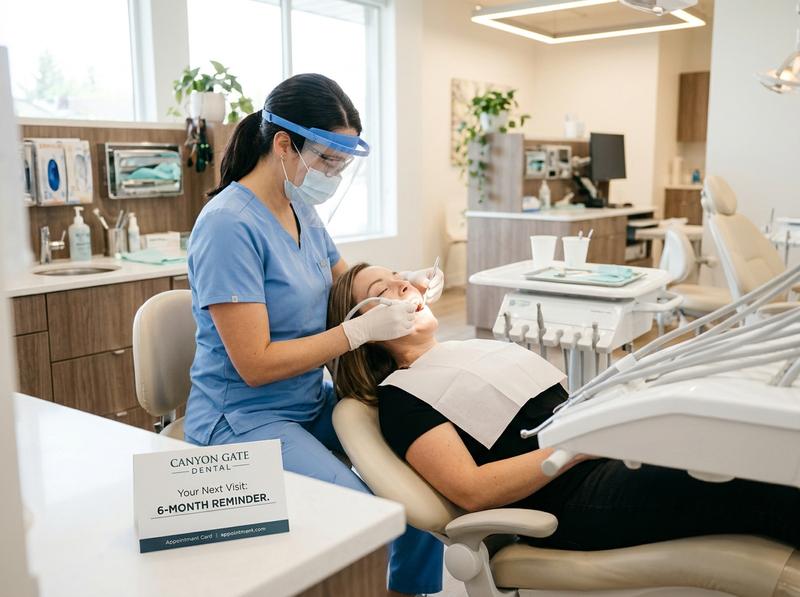
At Canyon Gate Dental, whitening starts with a consultation to check your oral health and decide whether you’re a good candidate. That visit is where the cause of a stubborn stain gets sorted out: whether it’s on the surface, inside the tooth, part of an old restoration or a sign of a problem that needs treatment first. It’s also when you can plan the order of treatment, so whitening, bonding or veneers happen in the sequence that gives you an even, natural-looking result.
In most cases, the best plan in Orem is still to start with whitening when the natural teeth will respond, then use bonding or veneers only where whitening falls short. That keeps treatment conservative and makes sure any new dental work matches your final shade.
Find Out Why Your Teeth Won’t Whiten
If whitening hasn’t given you the result you wanted, call Canyon Gate Dental in Orem at 801-764-9444 to schedule a whitening consultation. Dr. Young and our team will check your oral health, find the cause of stubborn stains, and recommend whether professional whitening, bonding, veneers or a combination will give you the most even result. We serve Orem and Utah Valley, from Santaquin to American Fork.
Frequently Asked Questions
Why won’t my teeth get whiter with whitening strips?
Store-bought strips and whitening toothpastes mostly work on surface stains. If your discoloration is inside the tooth, comes from dental work, or is caused by an old injury, those products won’t change it much. A dental exam can identify the cause.
Can crowns, veneers or fillings be whitened?
No. Only natural teeth respond to whitening. Crowns, veneers, bonding and tooth-colored fillings keep their original shade, so they may need to be replaced to match after you whiten.
Why is one of my front teeth darker than the others?
A single dark or gray tooth is often linked to a past injury or a problem with the nerve inside the tooth, sometimes years after the injury. It should be examined, because it may need treatment and won’t respond well to regular whitening.
Does whitening get rid of white spots on teeth?
Not reliably. White spots from fluorosis or braces can look less noticeable as the rest of the tooth lightens, but results vary. Bonding or veneers are often better options for spots that don’t blend in.
Is it worth whitening if I have stains from antibiotics?
Sometimes. Tetracycline staining can lighten, but the ADA notes it often takes three to four months of nightly treatment, and results vary by severity. Veneers may be a better option for darker staining.
Should I whiten before getting a crown, veneer or bonding?
Yes, in most cases. Whiten your natural teeth first, then match new dental work to your new shade, so you don’t need to replace a new restoration later.