Gums can bleed for a variety of causes. Contact us in Orem to know more.
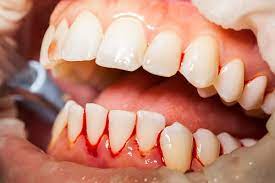
Bleeding gums are sometimes an indication of gingivitis, the first stage of periodontal disease. Talk to your dentist about your dental health if your gums bleed frequently or when you brush. Gingivitis can be reversed and avoided.
Your gums may bleed at first if you’ve just begun flossing, for example, as they get acclimated to cleaning between the teeth. In most cases, this will go away on its own after approximately one week. “Pregnancy gingivitis,” an infection of the gums that can cause swelling and discomfort, affects certain pregnant women. When brushing or flossing, gums may bleed a bit. These drugs may cause your gums to bleed if you use blood thinners. If the bleeding does not cease within a few minutes, see your doctor. If you brush your teeth too forcefully, your gums may bleed. Brush your teeth with an extra-soft or soft-bristled toothbrush.
Make an appointment with your dentist or physician if your gums bleed frequently or are causing you concern. It might be a symptom of something more serious.
Try to wash your teeth twice a day, floss once a day, and see your dentist regularly. Contact us in Orem for more details.
Frequently Asked Questions
What causes bleeding gums?
Bleeding gums can be caused by gingivitis, brushing too hard, pregnancy gingivitis, or the use of blood thinners.
Is bleeding gums a sign of a serious problem?
Frequent bleeding gums may indicate gingivitis or other periodontal diseases and should be evaluated by a dentist.
Can gingivitis be reversed?
Yes, gingivitis can be reversed with proper dental care including regular brushing, flossing, and professional cleanings.
Why do gums bleed when I start flossing?
Gums may bleed initially when starting to floss as they adjust to cleaning between teeth, but this usually stops within a week.
When should I see a doctor about bleeding gums?
If bleeding does not stop within a few minutes or occurs frequently, you should see your dentist or physician.