Can an Emergency Dentist Help Stop Severe Tooth Pain Immediately?
There’s very little in life that’s as all-consuming as severe tooth pain. It’s the kind of pain that makes it impossible to sleep, eat, concentrate, or think about anything else. It radiates through your jaw, into your ear, up into your temple — and no matter how many ibuprofen you take or how many times you rinse with warm salt water, it simply doesn’t stop.
If you’re in Orem, Utah, and you’re dealing with this level of dental pain right now, here’s the most important thing you need to hear: yes, an emergency dentist can help stop severe tooth pain — often the same day you call. You don’t have to white-knuckle it through the weekend or wait weeks for a routine appointment. Emergency dental care exists precisely for moments like this.
But understanding why your tooth hurts this badly, what an emergency dentist will actually do to stop it, and how quickly you can expect relief will help you take the right steps — starting right now. This guide covers all of it.
Why Is My Tooth Pain So Severe?
Tooth pain exists on a spectrum. Mild sensitivity to cold or a dull ache after eating is one thing. But when pain becomes throbbing, constant, or so intense that it disrupts your daily life, your body is sending a serious signal that something is genuinely wrong — and it’s almost certainly getting worse by the hour.
Here are the most common causes of severe tooth pain that bring patients to an emergency dentist in Orem, Utah:
Dental Abscess or Tooth Infection — This is one of the most common and most painful dental emergencies. When bacteria infect the inner pulp of a tooth, pressure builds within the tooth and surrounding tissue, creating an intense, throbbing pain that is often described as the worst pain a person has ever felt. Infections do not resolve without treatment and can spread to your jaw, neck, and beyond.
Cracked or Fractured Tooth — A crack that extends into the inner layers of a tooth exposes the sensitive dentin and pulp to temperature changes, pressure, and bacteria. The resulting pain can be sharp and electric — especially when biting down — and may become constant as the crack deepens.
Severe Tooth Decay — When a cavity progresses untreated, it eventually reaches the tooth’s nerve. At this stage, decay causes intense sensitivity and pain that goes far beyond what a simple filling can address.
Impacted or Erupting Wisdom Tooth — A wisdom tooth that is partially erupted or pushing against neighboring teeth creates significant pressure, inflammation, and pain in the back of the jaw that can be genuinely debilitating.
Lost or Broken Filling or Crown — When a restoration fails, the exposed tooth structure becomes suddenly and intensely sensitive to temperature, air, and pressure — sometimes causing immediate and severe pain.
Exposed Tooth Root — Gum recession or trauma that exposes the root surface of a tooth can cause sharp, shooting pain with virtually any stimulus — hot, cold, sweet, or even breathing through your mouth.
In every one of these scenarios, an emergency dentist in Orem, UT is equipped to identify the source of the pain and provide both immediate relief and definitive treatment — often within the same appointment.
What Does an Emergency Dentist Actually Do to Stop the Pain?
This is where a lot of patients are pleasantly surprised. Emergency dentistry isn’t just about handing you a prescription and sending you home. A skilled same-day emergency dentist in Orem, Utah takes a targeted, comprehensive approach to pain relief that addresses both the symptom and the underlying cause. Here’s what that process looks like:
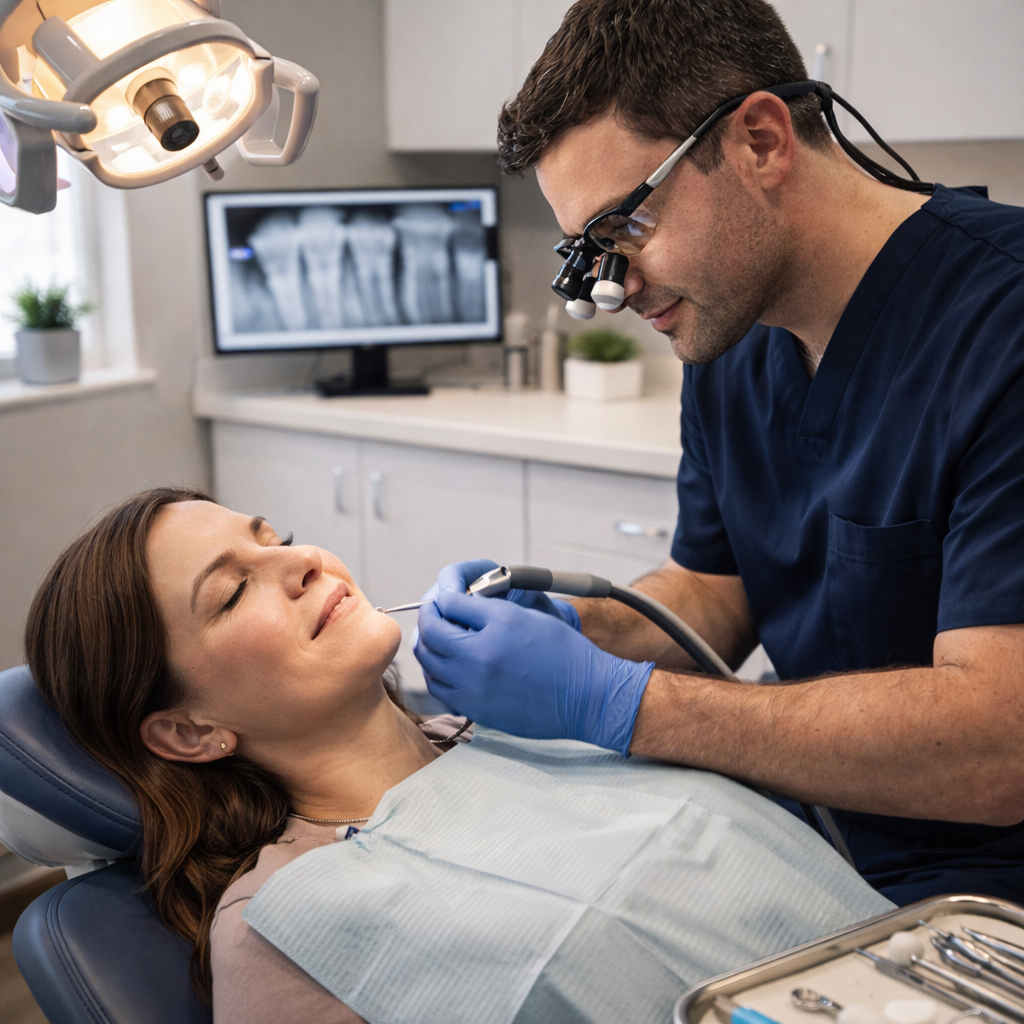
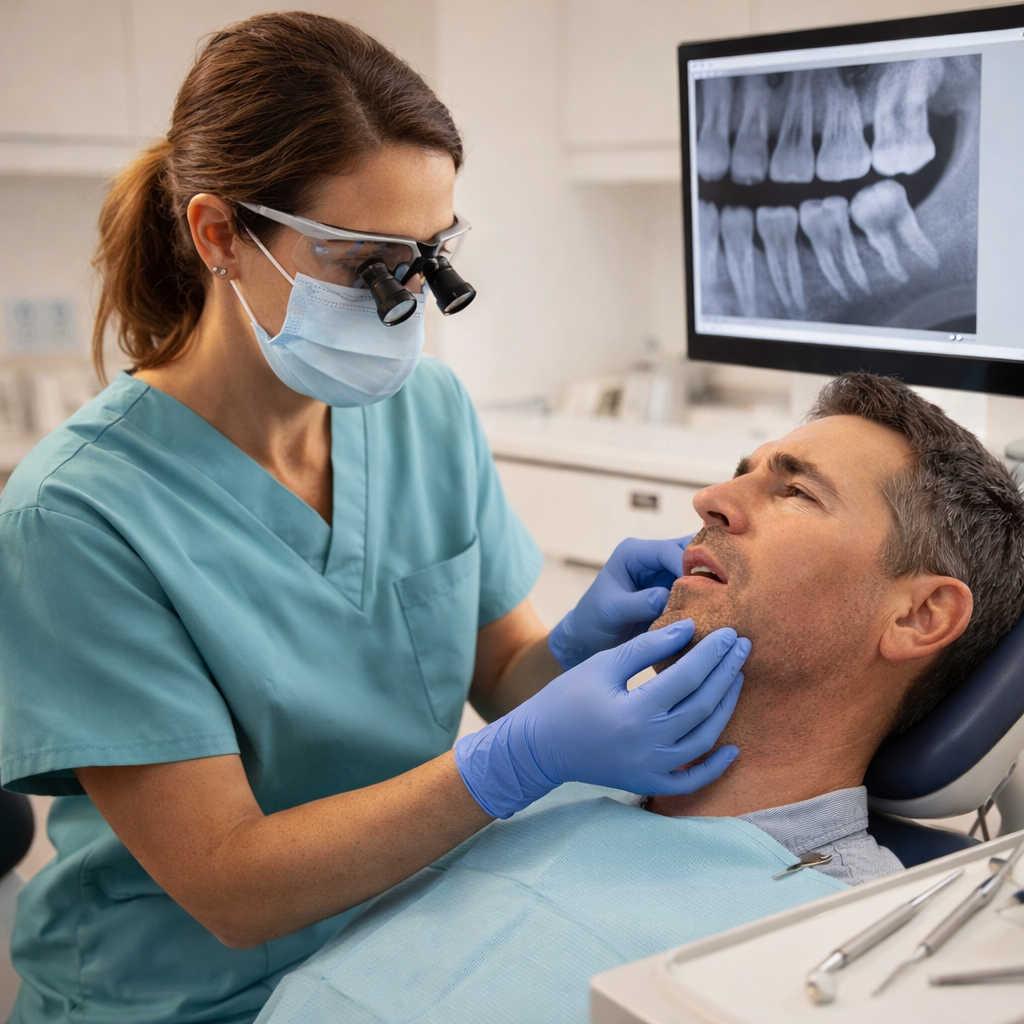
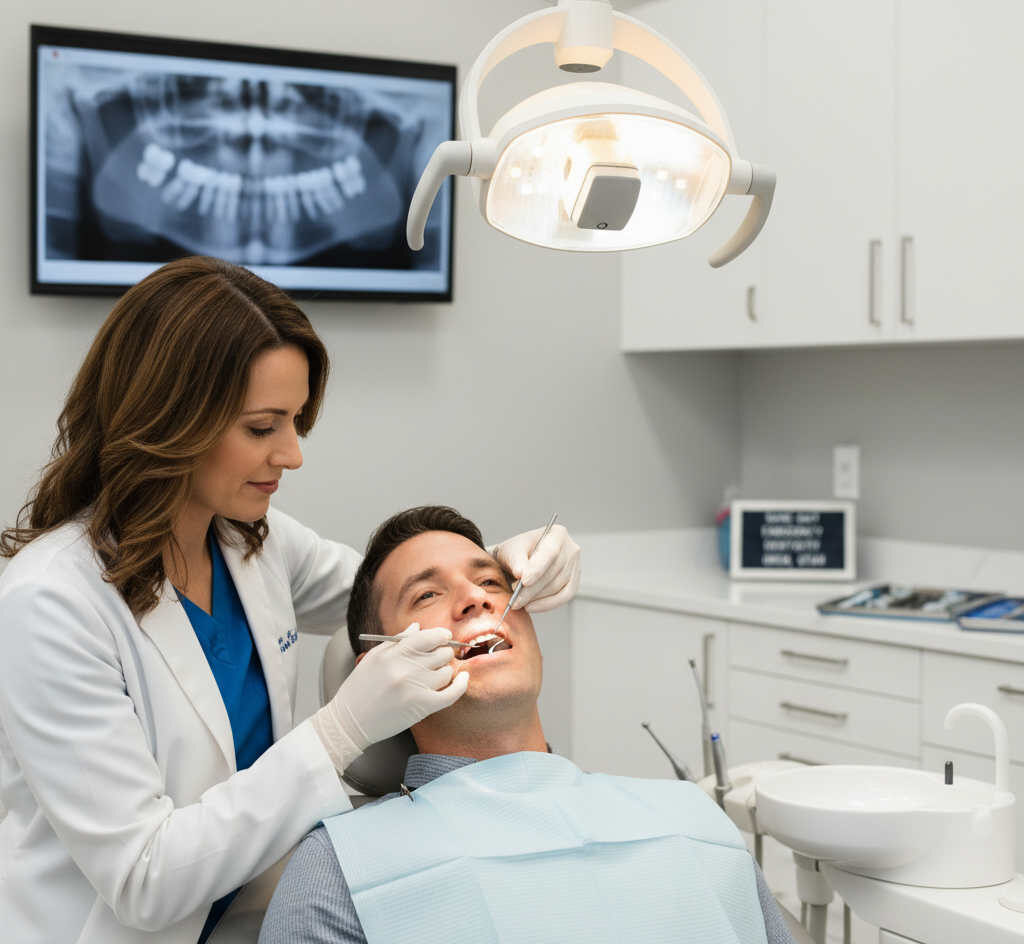
Immediate Assessment and Diagnosis The moment you arrive, your emergency dentist will conduct a focused examination and take digital X-rays to pinpoint exactly what’s causing your pain. This diagnostic step is critical — treating pain without identifying the source leads to temporary relief at best, and missed diagnosis at worst.
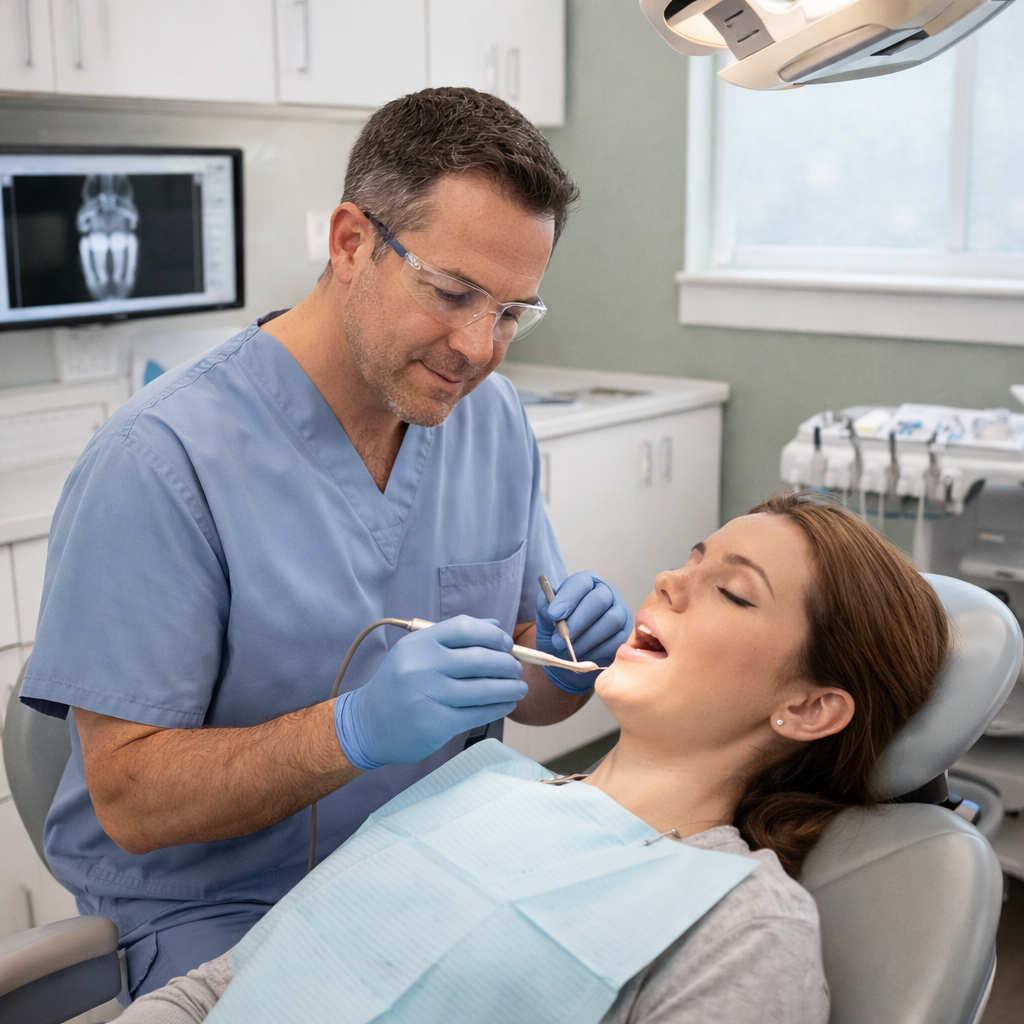
Local Anesthesia for Immediate Comfort Before any treatment begins, your dentist will administer a local anesthetic to numb the affected area completely. For most patients, this single step — the injection of local anesthesia — provides almost immediate and profound relief from even the most severe dental pain. It’s one of the most welcome moments in emergency dentistry.
Treatment Matched to the Source of Pain Once you’re comfortable, your dentist addresses the underlying problem directly. Depending on the diagnosis, this may include:
- Root Canal Therapy — For infected or badly decayed teeth, a root canal removes the infected pulp tissue that is generating the pain. Most patients are genuinely shocked by how quickly and completely their pain resolves after this procedure. Despite its reputation, a modern root canal performed under proper anesthesia is no more uncomfortable than getting a filling — and the relief it provides is immediate and dramatic.
- Tooth Extraction — When a tooth is too damaged, cracked, or infected to save, extraction removes the source of pain entirely. Relief after extraction is typically fast and significant.
- Abscess Drainage — For teeth with a significant abscess, draining the pocket of infection releases built-up pressure and provides rapid, noticeable pain relief within minutes of the procedure.
- Dental Bonding or Temporary Crown — For cracked teeth or lost restorations, covering or stabilizing the exposed tooth structure eliminates sensitivity to temperature and pressure almost immediately.
- Prescription Medications — For infections with spreading swelling, or in cases where definitive treatment must be staged, your emergency dentist will prescribe antibiotics to control the infection and appropriate pain medication to manage discomfort between appointments.
The combination of local anesthesia, targeted treatment, and appropriate medication means that the vast majority of patients who visit an emergency dental office in Orem, Utah leave their appointment feeling dramatically — and in many cases, completely — better than when they arrived.
How Quickly Can I Expect Relief from Severe Tooth Pain?
This is the question every patient in pain wants answered, and the honest answer is: often faster than you’d expect.
In most cases, the local anesthetic takes effect within two to five minutes of injection, providing near-total pain relief while treatment is performed. Following the procedure itself — whether it’s a root canal, extraction, or drainage — most patients report a significant reduction in pain within a few hours, as the anesthesia wears off and the source of the pain has been addressed.
Some post-procedural soreness is normal and expected, particularly in the 24–48 hours following treatment. This is your body’s natural inflammatory response to the procedure and is easily managed with over-the-counter anti-inflammatory medications like ibuprofen. This residual soreness is typically mild and entirely manageable compared to the severe pre-treatment pain — a difference most patients describe as night and day.
It’s also worth noting that for infections treated with antibiotics, full resolution of swelling and systemic symptoms typically occurs within three to seven days of beginning the antibiotic course — while the dental pain itself resolves much faster once the source is treated.
Why You Absolutely Should Not Wait Out Severe Tooth Pain
We understand the impulse to wait and see. Maybe you’re hoping the pain will pass on its own. Maybe you’re nervous about the dentist. Maybe you’re worried about the cost. These are all understandable concerns — but when it comes to severe dental pain, waiting is almost never the right call.
Here’s why seeking prompt emergency tooth pain relief in Orem, UT matters so urgently:
Infections spread. A tooth infection that causes severe pain today can spread to your jaw, neck, and throat within days if untreated. What begins as a dental problem can become a life-threatening medical emergency. This is not an exaggeration.
Pain escalates. Dental pain from an abscess or advancing decay almost universally gets worse — not better — without treatment. The nerve tissue continues to be compressed and inflamed, and the longer you wait, the harder the pain becomes to manage.
Treatment becomes more complex. A tooth that might have been saved with a root canal today may require extraction next week. A contained infection becomes a spreading one. Early intervention produces better outcomes, faster recovery, and lower overall treatment costs.
Your quality of life suffers. Severe tooth pain affects sleep, eating, concentration, mood, and your ability to function. Every hour you delay treatment is another hour of unnecessary suffering.
The emergency dental offices in Orem, Utah that offer same-day appointments are there for exactly this reason. Don’t wait.
What to Do While You’re Waiting to Be Seen
If you’ve called an Orem emergency dental office and you’re waiting for your appointment, here are the most effective steps for managing severe tooth pain at home in the interim:
Take Ibuprofen — Ibuprofen is the most effective over-the-counter option for dental pain because it addresses both pain and the underlying inflammation. Take as directed on the label with food or water.
Alternate with Acetaminophen — For severe pain, many dental professionals suggest alternating ibuprofen and acetaminophen every few hours for enhanced combined effect. Always follow dosage guidelines and never exceed recommended amounts.
Apply Clove Oil — Clove oil contains eugenol, a natural anesthetic compound. Dabbing a small amount directly onto the painful tooth or surrounding gum with a cotton ball can provide meaningful temporary numbing relief.
Use a Cold Compress — Applying an ice pack wrapped in a cloth to the outside of your cheek for 15-minute intervals can help reduce inflammation and numb the area.
Rinse with Warm Salt Water — A gentle saltwater rinse (½ teaspoon salt in 8 oz of warm water) helps keep the area clean and may provide mild temporary relief.
Keep Your Head Elevated — Lying flat increases blood pressure in the affected area and intensifies throbbing pain. Staying upright — especially while sleeping — can meaningfully reduce pain intensity.
Avoid Temperature Extremes — Very hot or very cold food and drinks can dramatically intensify dental pain. Stick to room-temperature soft foods and water until you’ve been seen.
These measures can take the edge off while you wait, but they are not substitutes for professional treatment. Think of them as a bridge — not a solution.
Why Orem Residents Trust Local Emergency Dentists for Immediate Pain Relief
Orem, Utah is home to a growing and diverse community of families, students, professionals, and seniors — all of whom deserve fast access to quality emergency dental care when severe pain strikes. Whether you’re near the Orem Fitness Center, University Parkway, Geneva Road, or anywhere throughout Utah County, same-day emergency dental appointments are accessible and available at local practices committed to providing rapid, compassionate pain relief.
Many Orem emergency dental offices are equipped with advanced digital X-ray technology, same-day crown fabrication systems, and experienced clinical teams that routinely handle the full range of dental emergencies — from severe infections to traumatic tooth injuries — with both urgency and genuine care.
You don’t have to suffer. Relief is closer than you think.
Stop the Pain Today — Call an Emergency Dentist in Orem, Utah Right Now
Severe tooth pain is your body’s loudest way of telling you that something needs immediate attention. Don’t negotiate with it, don’t try to outlast it, and don’t let fear or financial concern keep you from getting the relief you deserve.
Call our Orem, Utah emergency dental office now to schedule your same-day pain relief appointment.
We offer immediate appointments for severe tooth pain, transparent pricing, flexible payment options, and a compassionate clinical team dedicated to getting you out of pain as quickly as possible. One phone call is all it takes to start feeling better. Make it now.
Frequently Asked Questions (FAQ)
Q: Can an emergency dentist really stop severe tooth pain the same day? Yes — in the vast majority of cases. Through local anesthesia, targeted treatment, and appropriate medications, emergency dentists in Orem, UT can provide dramatic and often complete pain relief during your same-day appointment.
Q: How long does it take for the pain to go away after an emergency dental visit? Local anesthesia provides relief within minutes during your appointment. After treatment, most patients experience significant pain reduction within a few hours. Mild residual soreness may last 24–48 hours and is easily managed with over-the-counter medications.
Q: Is it safe to take ibuprofen for severe tooth pain? Yes, ibuprofen is generally safe and effective for dental pain when taken as directed. It addresses both pain and inflammation. However, it is a temporary measure — it does not treat the underlying cause of the pain.
Q: What if my tooth pain goes away on its own — do I still need to see a dentist? Absolutely yes. When a tooth infection causes pain that suddenly stops, it often means the nerve has died — not that the infection is gone. The infection continues to spread, and professional dental treatment is still urgently needed.
Q: Can a tooth infection cause pain in my ear, jaw, or head? Yes. Dental pain from an abscess or infected tooth frequently radiates to the ear, jaw, neck, and temple — a phenomenon called referred pain. If you experience these symptoms, contact an emergency dentist in Orem, UT right away.
Q: Will I need a root canal for severe tooth pain? Not necessarily, but it’s a common treatment when the tooth’s nerve is involved. Your emergency dentist will diagnose the cause of your pain first and recommend the most conservative effective treatment. Many causes of severe pain can be resolved with less invasive options.
Q: What if I’m terrified of the dentist — can I still get emergency care? Yes, absolutely. Many emergency dental offices in Orem offer sedation options — including nitrous oxide and oral conscious sedation — that make the experience calm and manageable even for highly anxious patients. Tell the office about your anxiety when you call so they can prepare appropriately.
Frequently Asked Questions
Can an emergency dentist stop severe tooth pain immediately?
Yes, an emergency dentist can often provide immediate pain relief through local anesthesia and targeted treatment during the same appointment.
What causes severe tooth pain that requires emergency dental care?
Common causes include dental abscesses, cracked or fractured teeth, severe tooth decay, impacted wisdom teeth, lost fillings or crowns, and exposed tooth roots.
What treatments might an emergency dentist provide to relieve severe tooth pain?
Treatments include root canal therapy, tooth extraction, abscess drainage, dental bonding or temporary crowns, and prescription medications if needed.
How quickly can I expect relief from severe tooth pain after emergency dental treatment?
Local anesthesia usually provides near-total pain relief within minutes, and most patients experience significant pain reduction within a few hours after treatment.
Why should I not wait to seek emergency dental care for severe tooth pain?
Delaying treatment can allow infections to spread, potentially causing serious health complications beyond the dental problem.