For centuries, men and women have used body piercing as a way to express a sense of self and while body modification may be a unique interpretation of style for some, the medical consequences for oral piercings are often overlooked. From tongue studs to splitting, the positioning of the handiwork and outside contaminations like hepatitis are not the only factor that can cause serious harm. It’s no secret that the mouth contains a whole host of bacteria and as a result, oral piercings can suffer from swelling and infection during the healing process and beyond. Now, these events may not seem too extreme in terms of your health, but in some cases swelling can obstruct airways and cause choking, damage to the blood vessels within your tongue can cause severe blood loss, and untreated infections could eventually lead to septicemia (blood poisoning).
Oral Piercings
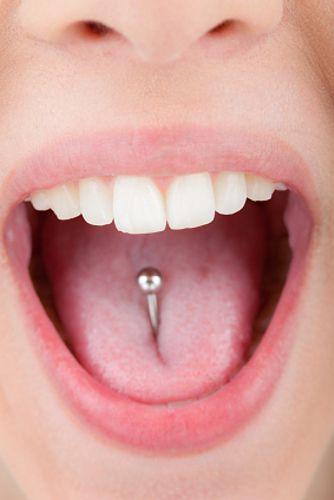
Oral piercings are usually accompanied by bars, studs, or rings that are found within cheeks, lips, tongues, or even in the tonsils and uvula area at the back of the mouth. In general, these piercings can alter speech and the processes of swallowing, but in terms of your oral health they can cause more everyday problems such as chipped and cracked teeth, and they can even contribute to plaque build-up and bleeding gums. Many people considering oral piercings (or even those who already have them) may be aware of these consequences, but there are a few others that should be addressed too, such as:
- Hypersensitivity to metals
- Nerve damage
- Excessive drooling
- Dental appointment difficulties
Related reading: Understanding Medical Identity Theft