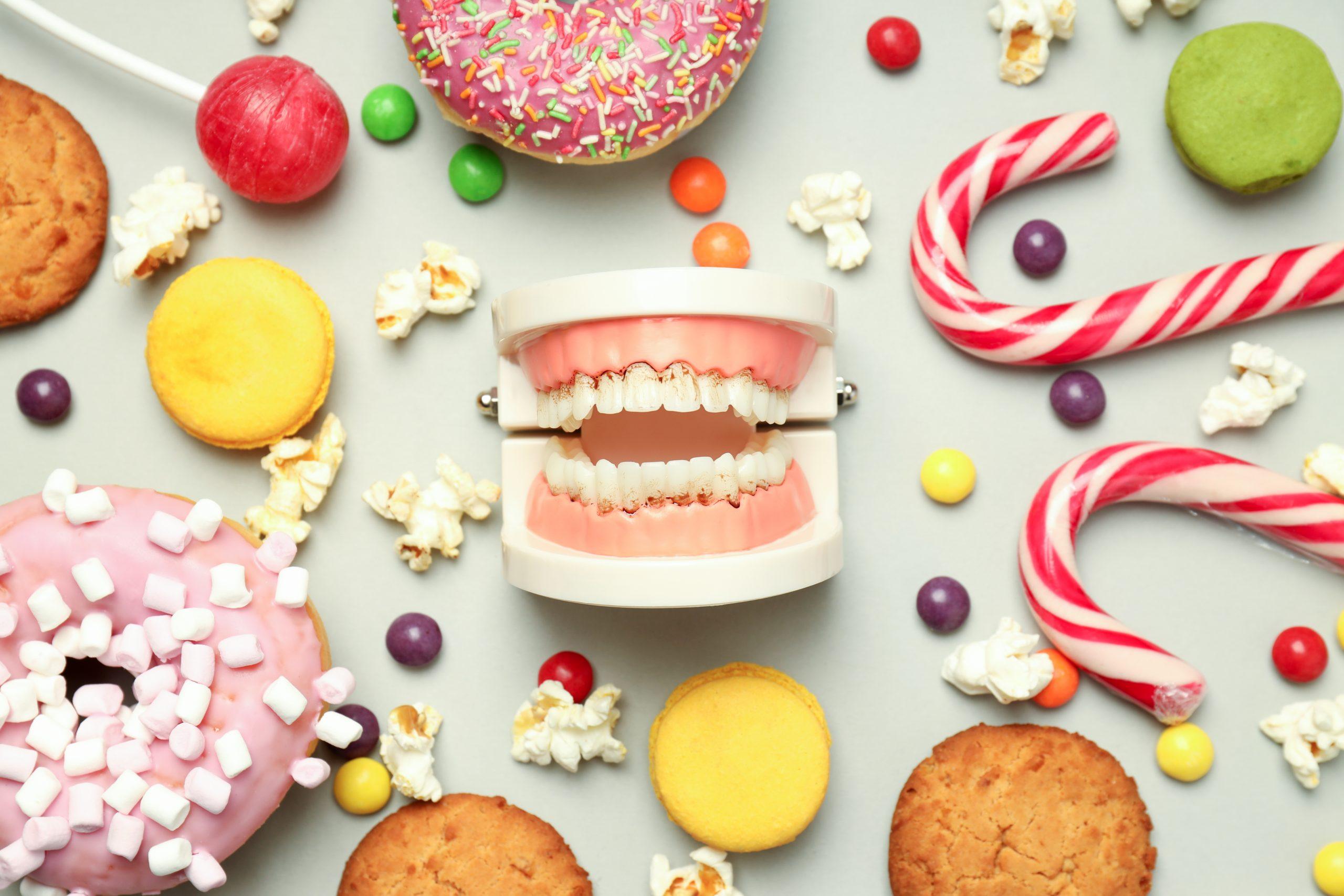
Teeth that are strong and healthy are essential for a child‘s ability to chew food, speak clearly, and have a smile that is attractive. In addition, proper nutrition is critical to the health and development of a child at every stage of life in Orem. Sugar, in its many forms, is one of the primary causes of tooth decay, and almost all foodstuffs, including milk and vegetables, contain some form of sugar. If you’re concerned about your child’s sugar intake, it’s important to teach them to read food labels and select meals and drinks with little added sugars. Pick nutritious drinks like water that will help keep you hydrated and healthy.
Food to Eat:
MyPlate, a website created by the U.S. Department of Agriculture’s Center for Nutrition Policy and Promotion, outlines what each meal should consist of in order to be nutritionally sound.
Fruits and veggies: Together, these should account for approximately 50 percent of what your kid consumes on a daily basis.
Grain: 50% of their grain intake should consist of whole grains such as oats, whole wheat bread, and brown rice.
Dairy: Choose dairy products that are low in fat or have no fat at all.
Lean proteins: Pick healthier protein options including lean beef, skinless poultry, and fish. Make an effort to incorporate a wide variety of protein sources into your diets, such as eggs, beans, peas, and legumes. Try to consume 8 ounces of fish once every week.
Your child’s dental health is affected not only by the foods they eat but also by their snacking habits, the bottles they use, and their pacifiers. The oral health of your child can be maintained by following these suggestions:
- Only use formula, milk, or your own breast milk when filling bottles. Don’t put anything sweet in the bottle, like juice or soda.
- Before going to bed, infants should have their bottles from both bedtime and naptime completely finished.
- If your child needs a pacifier, please give them one that has not been dipped in sugar or honey or tasted by your mouth.
- Children should be encouraged to drink from a regular cup by the time they turn one. Parents should be cautioned against allowing their children to use sippy cups excessively or for an extended period.
- Serve healthy snacks in between meals and keep sweets to mealtimes only.
Frequently Asked Questions
How does nutrition impact my child's dental health?
Proper nutrition is critical for strong and healthy teeth, affecting a child's ability to chew, speak, and smile. Limiting sugar intake helps prevent tooth decay.
What foods should my child eat for good dental health?
Fruits and vegetables should make up about 50% of their diet, with whole grains, low-fat dairy, and lean proteins like fish, poultry, and legumes also included.
What are some tips to maintain my child's oral health related to feeding habits?
Use only formula, milk, or breast milk in bottles, avoid sweetened liquids, finish bottles before bedtime, avoid dipping pacifiers in sugar, and encourage drinking from a regular cup by age one.
How can I reduce my child's sugar intake to protect their teeth?
Teach your child to read food labels, choose meals and drinks with little added sugar, and serve sweets only at mealtimes while offering healthy snacks between meals.