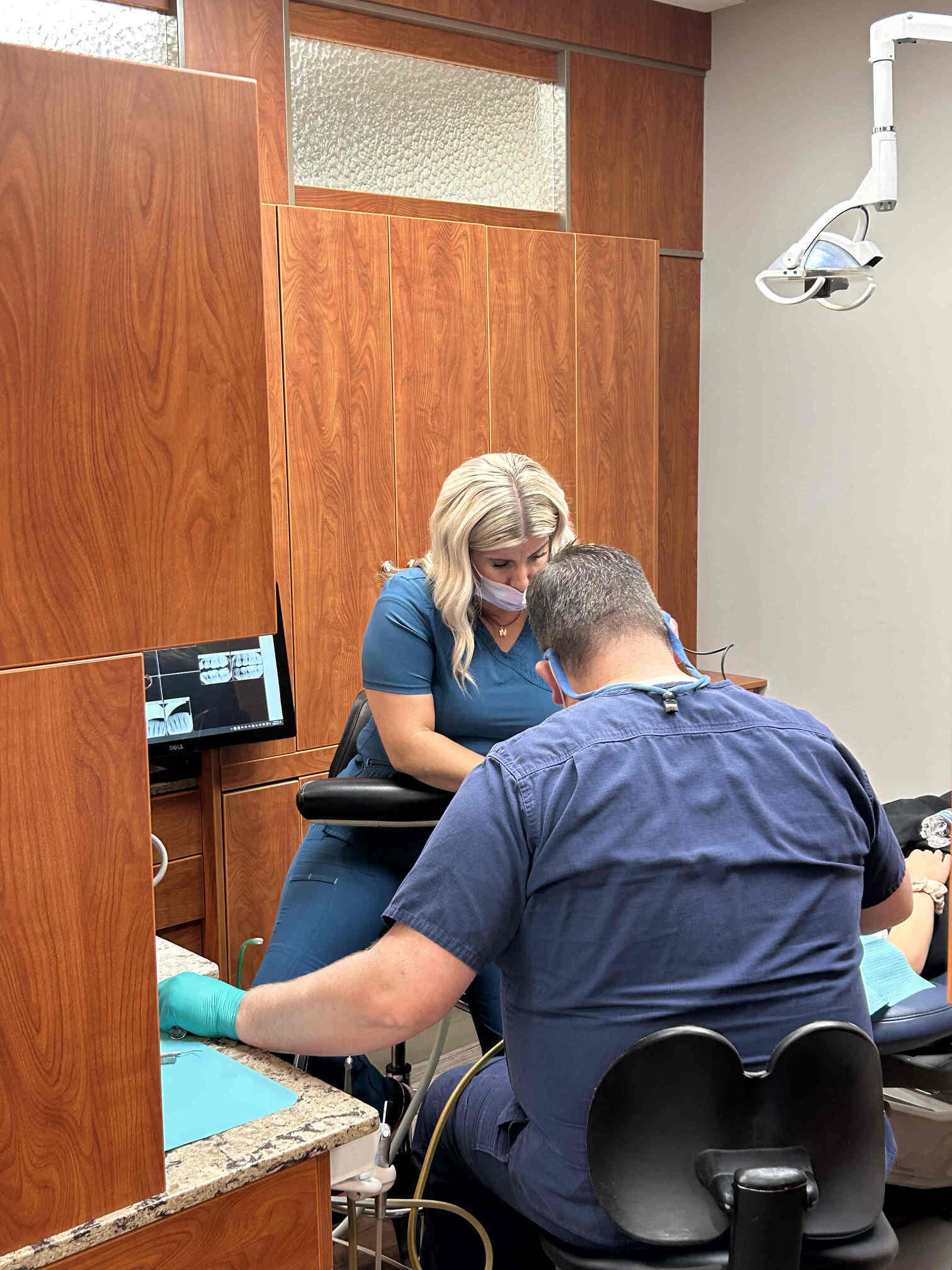
If you have severe or worsening tooth pain, facial swelling, a knocked-out or loosened tooth, or bleeding that won’t stop after 10 minutes of pressure, that’s a dental emergency — call an emergency dentist in Orem right away instead of waiting for your next scheduled visit. Milder symptoms, like a small painless chip or occasional sensitivity, usually aren’t. The difference matters: a knocked-out tooth has the best chance of being saved within about 30 to 60 minutes, and dental infections can spread quickly if they’re ignored.
Here in Orem, that distinction comes up more than you’d think. Between youth sports leagues, weekend trips up into the canyons around Mount Timpanogos, and a huge population of Utah Valley University students juggling late nights, energy drinks, and stress-related teeth grinding, local dentists see a steady stream of patients who genuinely aren’t sure whether what they’re feeling qualifies as urgent. This guide walks through exactly what does — and what safely doesn’t — so you can make a quick, confident call.
Call Now, Same-Day, or Can Wait? Use This Quick Reference
| Urgency Level | Signs | What To Do |
| Call Now / Immediate Care | Facial swelling with fever, difficulty breathing/swallowing, uncontrolled bleeding, jaw that won’t close, suspected broken jaw | Call Canyon Gate Dental immediately, or go to the ER if breathing/swallowing is affected |
| Same-Day Emergency Visit | Knocked-out or loosened tooth, severe/throbbing pain, visible swelling without breathing issues, cracked tooth with pain, lost crown with exposed nerve | Call for a same-day appointment |
| Can Usually Wait | Small painless chip, mild occasional sensitivity, dull ache that comes and goes, cosmetic concerns | Schedule a routine visit, but don’t ignore it indefinitely |
Severe or Worsening Tooth Pain
Teeth aren’t supposed to hurt, and pain that over-the-counter medication barely touches is your body telling you something deeper is going on — often a deep cavity, an infected nerve, or a cracked tooth letting bacteria reach the pulp. The key word is worsening: a dull ache that’s stable and only shows up occasionally is different from pain that’s building day over day or keeping you up at night. If eating, sleeping, or concentrating on daily life has become difficult because of tooth pain, that’s your signal to call rather than wait it out.
Swelling, Fever, and Signs of Infection
Facial or gum swelling — especially with tenderness, redness, or warmth — usually points to a dental abscess, a pocket of infection at the root of a tooth or in the gum tissue. Left untreated, that infection doesn’t resolve on its own; it can spread into the jaw, neck, and in rare cases become genuinely dangerous. A bad taste that won’t go away, pus near the gumline, or fever alongside dental pain are all red flags. If swelling starts affecting your ability to breathe or swallow, that’s an emergency-room situation, not a wait-and-see one — go straight to Orem Community Hospital or Utah Valley Hospital in Provo.
Knocked-Out, Loosened, or Shifted Teeth
A fully knocked-out (avulsed) tooth is one of the clearest true dental emergencies there is, and it’s common enough around Orem’s active youth sports scene and weekend canyon trips. Time is everything:
- Pick the tooth up by the crown only — never touch the root
- Rinse gently with water if it’s dirty; don’t scrub it
- Try to place it back in the socket if you can
- If that’s not possible, keep it in milk or tucked between your cheek and gum
- Call Canyon Gate Dental immediately — ideally within 30 to 60 minutes
A tooth that’s been loosened or knocked out of alignment (without fully coming out) is also urgent. If your bite suddenly feels different or your teeth don’t fit together the way they used to, don’t wait for it to “settle” — get it evaluated.
Cracked, Chipped, or Broken Teeth
Not every chip is an emergency — a small, painless chip on the edge of a tooth can often wait for a regular visit. But a crack that’s sharp, painful when you bite down, sensitive to hot or cold, or visibly split into the tooth needs attention soon, since a deeper crack exposes the nerve and raises the risk of infection. If you break a tooth, rinse with warm water and save any pieces to bring with you.
Uncontrolled Bleeding or Soft-Tissue Injuries
A little bleeding after flossing too hard is normal. Bleeding that won’t stop after 10 minutes of steady pressure with clean gauze — or bleeding from a cut lip, cheek, tongue, or gums after an injury — is not. Rinse gently with warm salt water, apply pressure with gauze or a damp tea bag (the tannic acid helps clotting), and hold a cold compress against the outside of your cheek to control swelling. If bleeding continues past 10–15 minutes or you feel dizzy or weak, call Canyon Gate Dental or head to urgent care.
Lost Filling or Crown
A lost filling or crown isn’t usually a true emergency unless the exposed tooth is painful or sensitive — but it shouldn’t sit for long either, since the newly exposed tooth surface is vulnerable to decay and further damage. Over-the-counter dental cement can temporarily protect the area; avoid super glue. Call to get it restored properly as soon as you reasonably can.
Why Orem Sees More Than Its Share of Dental Emergencies
Orem’s identity as “Family City USA” comes with a lot of youth sports — flag football, soccer, wrestling — where mouth injuries happen more than parents expect. Add in Mount Timpanogos hiking trips, canyon outings, and winter sports, and trauma-related emergencies are a regular part of life here. On top of that, Utah Valley University’s nearly 47,000 students bring late study nights, energy drinks, and stress-driven teeth grinding into the mix — all of which show up as cracked teeth, enamel erosion, and jaw pain in the dental chair. None of that means every ache is an emergency, but it does mean Orem residents run into these situations more often than most, which is exactly why knowing the signs ahead of time is worth five minutes of your time now.
What to Do While You Wait for Your Appointment
- Rinse your mouth gently with warm water
- Apply a cold compress to the outside of your cheek for swelling
- Take an over-the-counter pain reliever like acetaminophen or ibuprofen (never place aspirin directly against your gum or tooth — it can burn the tissue)
- Avoid chewing on the injured side
- Keep a knocked-out tooth moist in milk, never dry
These steps buy you time and reduce discomfort — they’re not a substitute for being seen.
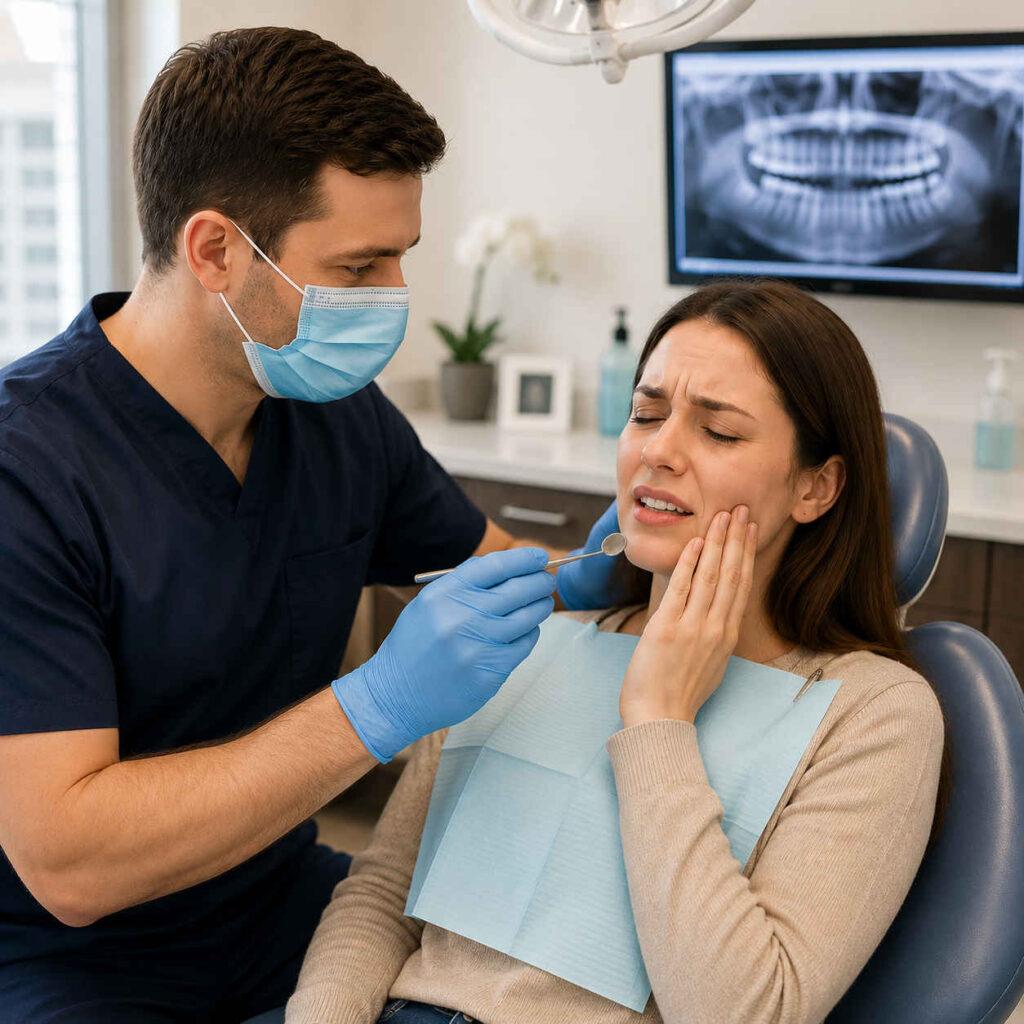
If you’re dealing with any of the signs above, don’t wait for it to get worse. Call Canyon Gate Dental in Orem at 801-764-9444 to request a same-day emergency appointment — our team will walk you through what to do before you even arrive.
Frequently Asked Questions
What are the most common signs of a dental emergency?
Severe or worsening tooth pain, facial or gum swelling, a knocked-out or loosened tooth, uncontrolled bleeding, and a cracked tooth with pain are the most common signs that mean you need same-day care rather than a routine appointment.
How do I know if my tooth pain is an emergency or can wait?
If over-the-counter pain relievers aren’t helping, the pain is getting worse rather than staying the same, or it’s interfering with eating or sleeping, treat it as urgent and call. Mild, stable, occasional sensitivity usually isn’t an emergency.
What should I do if I have a knocked-out tooth in Orem?
Pick it up by the crown, rinse gently if dirty, try to place it back in the socket, or store it in milk if that’s not possible, and call Canyon Gate Dental right away — ideally within 30 to 60 minutes for the best chance of saving it.
Is facial or jaw swelling always a dental emergency?
Swelling around the gums or face usually points to an infection and needs prompt dental attention. If it’s affecting your ability to breathe or swallow, that’s an emergency-room situation — go to Orem Community Hospital or Utah Valley Hospital immediately.
Should I go to the ER or call an emergency dentist in Orem?
For a knocked-out tooth, cracked tooth, toothache, or localized swelling, call an emergency dentist first. Go straight to the ER for a suspected broken jaw, trouble breathing or swallowing, or trauma beyond the teeth — ERs can manage pain and infection risk but generally can’t perform restorative dental treatment.
Can a dental abscess be dangerous if I wait?
Yes. An untreated abscess can spread into the jaw, neck, and surrounding tissue, and in rare cases become a serious medical emergency. Fever, spreading swelling, or a persistent bad taste alongside pain are signs it’s progressing and needs prompt treatment.
Does Canyon Gate Dental offer same-day emergency appointments?
Yes — Canyon Gate Dental prioritizes same-day emergency appointments for patients in Orem. Calling as early in the day as possible gives you the best chance of being seen quickly.