Blog Highlights:
- Dental sealants create a barrier that protect your teeth from decay
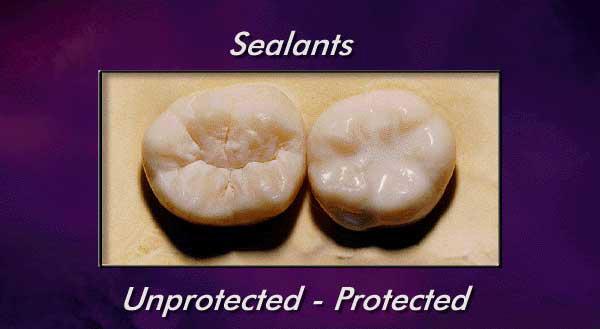
- They are ideally used to seal off the pits and fissures on your teeth’s chewing surfaces
- When applied, the sealant goes into the pits and fissures where it hardens and bonds directly to the tooth
- Dental sealants are typically used to help preserve the teeth of children and teenagers
- Sealants are designed to withstand the force of normal chewing, and to last for several years
- Brush your teeth twice a day with ADA-accepted fluoride toothpaste
- Floss your teeth or use an interdental cleaner daily
- Visit your dentist regularly
- Limit snacks and maintain a well-balanced and healthy diet
Related reading:
- The Importance of Fluoride Treatments and Dental Sealants: Essential Preventive Measures for Strong Teeth
- Getting Dental Sealants to Prevent the Development of Tooth Decay
Frequently Asked Questions
What are dental sealants?
Dental sealants are plastic coatings applied to the chewing surfaces of molars and premolars to protect teeth from decay by sealing off pits and fissures.
Who can benefit from dental sealants?
Children and teenagers are common candidates for sealants, but adults can also benefit from them to help prevent tooth decay.
How long do dental sealants last?
Sealants can last several years and should be checked regularly by a dentist for reapplication if needed.
How are dental sealants applied?
A dentist paints the sealant onto the tooth enamel where it hardens and bonds directly to the tooth surface.
Can dental sealants replace regular oral hygiene?
No, sealants complement regular brushing, flossing, and dental visits but do not replace them.