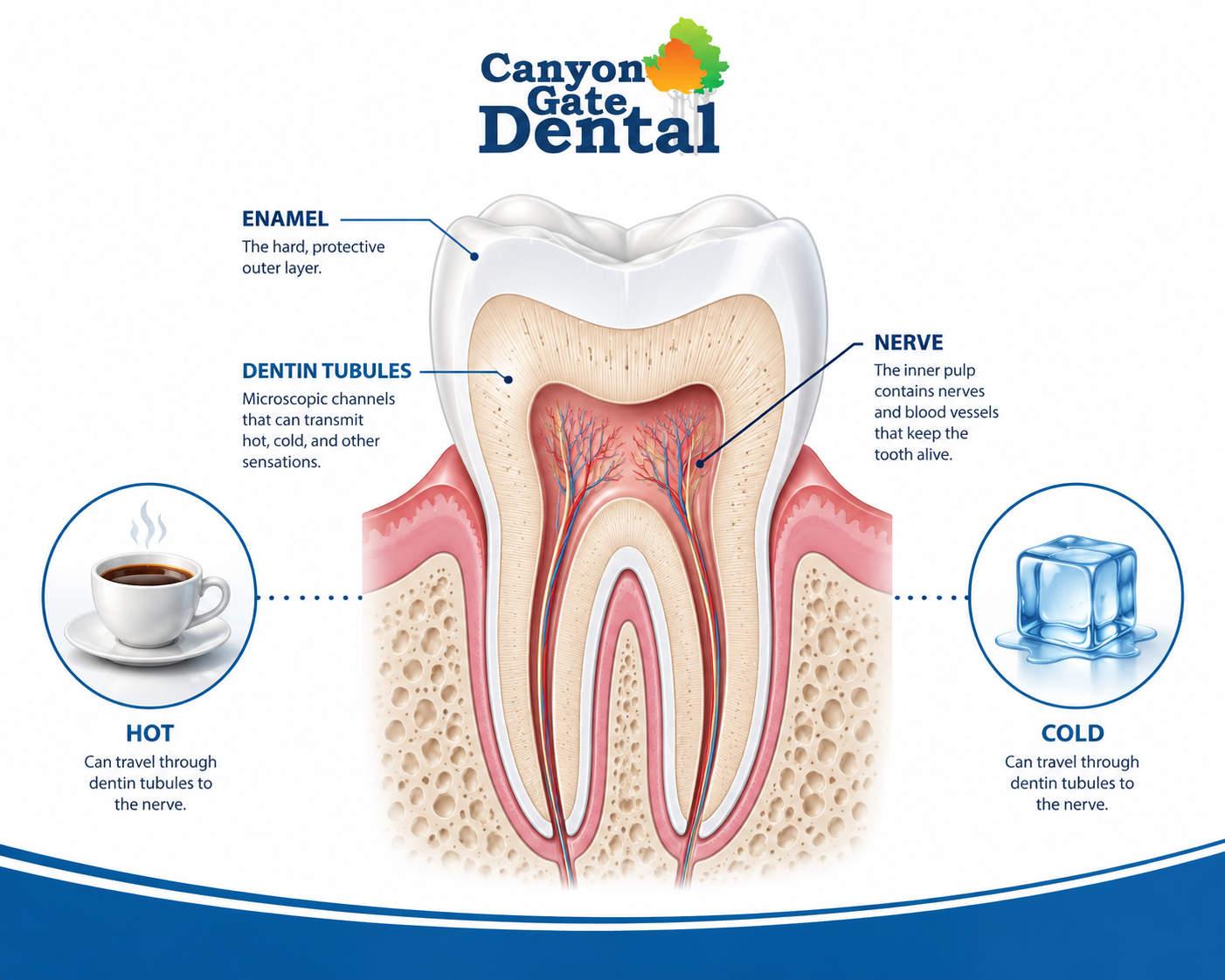

Hey Orem! We all know that sudden, sharp pain of a cavity. It’s an unwelcome visitor, that searing reminder to perhaps lay off the sweets. But what if your teeth are secretly decaying without a whisper of discomfort, like a slow, insidious erosion happening just beneath the surface? Welcome to the world of “silent cavities,” and they might be a bigger problem in our community than you think! It begs the question: how much do we really know about what’s going on beneath the pearly white facade?
The Sneaky Culprit: What Exactly Are Silent Cavities?
Imagine a tiny, invisible enemy, a microscopic saboteur, slowly eating away at your teeth, without sending up any red flags. That’s a silent cavity in a nutshell! These hidden horrors, also known as hidden decay, start small, often in hard-to-reach spots like the grooves on chewing surfaces (the occlusal surfaces, for the technically inclined) or even below the gum line, where the toothbrush struggles to reach. Because they only affect the nerve-free outer enamel layer initially, you won’t feel a thing. No pain, no obvious holes – just a quiet breakdown of your tooth‘s structure. But don’t let the “silent” part fool you; if left unchecked, they can lead to some seriously loud problems down the road – agonizing pain, root canals, and even tooth loss. A disturbing thought, isn’t it?
A Journey Through Time: When Did We Realize Teeth Could Be So Secretive?
For thousands of years, humans have dealt with tooth decay. It’s an ancient malady, woven into the tapestry of human existence. Our ancient ancestors, from Sumerians to Romans, even believed in “tooth worms” causing the pain! Imagine the scene: a throbbing jaw, a desperate search for relief, and the conviction that a literal worm was gnawing at your insides. Early detection was purely visual or relied on symptoms like agony. If it didn’t hurt or wasn’t obvious, it was missed. A rather crude diagnostic method, wouldn’t you agree?
It wasn’t until the late 19th century, with the accidental discovery of X-rays by Wilhelm Roentgen in 1895, that dentists got their first real “superpower” to peer inside teeth. Suddenly, the invisible became visible. Bitewing X-rays in the 1920s became a game-changer, revealing those sneaky, asymptomatic cavities hiding between teeth, nestled in the interproximal spaces. This marked a huge shift from reactive, pain-driven dentistry to a more proactive approach. It’s a fascinating example of how technological advancement reshapes our understanding of the human body.
The Current Conundrum: Why Are Silent Cavities Still a Big Deal in Orem?
Even with all our modern dental marvels, silent cavities remain a challenge, both for dentists and for us, the patients. It raises the question: why haven’t we completely eradicated this seemingly simple problem?
- The Fluoride Paradox: While fluoride is a dental hero, strengthening enamel and preventing decay, it can sometimes create a tough outer shell over a cavity that’s still brewing underneath – a deceptive shield, making visual detection even harder! It’s a curious situation where a preventative measure can inadvertently mask a problem.
- The “Drill or Don’t Drill” Dilemma: Dentists are constantly debating when to intervene. If an X-ray shows a small cavity but there’s no visible hole, should they “drill and fill” immediately, or try a less invasive approach? It’s a delicate balancing act, weighing the benefits of intervention against the potential harm of overtreatment.
- The Orem Angle: Utah, including Orem, boasts high adult dental visit rates and ranks well for dental health overall. That’s certainly something to be proud of. However, a significant concern is childhood tooth decay, with over half of Utah children experiencing cavities by age eight. This suggests that even with good intentions, silent cavities might be lurking, especially in our younger population. Plus, only about half of Utah has fluoridated water, a key preventive measure, adding another layer of risk. This disparity in water fluoridation is a significant factor that contributes to the increased vulnerability to cavities.
- Public Awareness Gap: Many of us simply don’t know that a tooth can be decaying without screaming for attention. This leads to delayed dental visits until the problem is much bigger and more painful (and expensive!). There’s a real need for better education right here in Orem to understand that “no pain” doesn’t always mean “no problem.” We need to shift the paradigm from reactive treatment to proactive prevention.
Looking Ahead: What’s Next in the Fight Against Hidden Decay?
The good news is that the future of dentistry is bright, with Orem dental practices already embracing many cutting-edge advancements. The innovation happening in this field is truly remarkable!
- AI-Powered Cavity Hunters: Imagine a dentist’s computer program spotting a tiny shadow on your X-ray that even the most eagle-eyed human might miss. AI is already being used in Orem to analyze dental images, making early detection of silent cavities more accurate and efficient. It’s a fascinating example of how artificial intelligence is transforming healthcare.
- Super-Sensitive Scanners: Beyond traditional X-rays, technologies like laser fluorescence devices (DIAGNOdent) and even ultrasound detectors are becoming more common. These can find demineralization and tiny cavities even before they’re visible on an X-ray, allowing for treatment that’s far less invasive. The possibilities are truly exciting.
- No-Drill Treatments are Here (and Coming!):
- Silver Diamine Fluoride (SDF): This amazing liquid can stop existing cavities in their tracks without drilling, making it perfect for children and anxious patients. It’s already FDA-approved and changing how dentists approach early decay.
- Resin Infiltration: For small cavities, a liquid resin can be “infiltrated” into the tooth to seal it off, no drilling or anesthesia required.
- Regenerative Dentistry: Growing New Teeth?! The ultimate dream is to help teeth heal themselves. Research into stem cell therapy is ongoing, aiming to stimulate new dentin growth and potentially eliminate the need for traditional fillings altogether. One Japanese company is even developing an antibody drug to stimulate tooth growth, with clinical trials underway! The very notion of regrowing teeth feels like something straight out of science fiction, yet it’s rapidly becoming a tangible possibility.
- Personalized Prevention: Future dental visits might include saliva testing on smart devices and predictive analytics, giving you a highly personalized risk assessment and a roadmap to prevent cavities before they even start. Imagine a future where dental care is tailored to your unique genetic makeup and lifestyle.
Don’t Let Your Smile Suffer in Silence!
Silent cavities are a real, sneaky threat to the oral health of Orem residents. But by understanding their nature, embracing modern diagnostic tools, and staying informed about innovative treatments, we can all take a more proactive role in protecting our smiles. Remember, regular dental check-ups are your best defense against these hidden enemies. Don’t wait for the pain to strike – talk to your Orem dentist about advanced detection methods and preventive strategies to keep your smile healthy and bright! After all, a healthy smile is not just a matter of aesthetics; it’s an integral part of our overall well-being.
FAQ: Hidden Cavities and Silent Tooth Decay in Orem
Q: Can you really have a cavity without pain?
A: Yes. Many cavities without pain Orem Utah residents experience are still in the early stages. Pain often begins only when decay reaches deeper layers of the tooth.
Q: How can I tell if I have a “silent cavity”?
A: Signs may include faint white spots on teeth, sensitivity to sweets, or food consistently getting stuck between teeth. Regular dental checkups in Orem are the best way to detect hidden cavities early.
Q: Why are silent cavities dangerous?
A: Because they’re easy to miss, silent tooth decay Orem patients overlook can spread quickly. By the time pain starts, you may need advanced treatments like root canals instead of a simple filling.
Q: How often should Orem residents get dental exams to catch hidden cavities?
A: Most dentists recommend every six months. In areas like Orem Utah, where dry air can contribute to increased cavity risk, regular visits are even more important.
Q: Can Canyon Gate Dental help prevent silent cavities?
A: Absolutely. At Canyon Gate Dental, we use advanced imaging to spot cavities early and provide preventive care Orem families can trust—like fluoride treatments, sealants, and personalized oral care plans.
Frequently Asked Questions
Can you really have a cavity without pain?
Yes. Many cavities without pain that Orem Utah residents experience are still in the early stages. Pain often begins only when decay reaches deeper layers of the tooth.
How can I tell if I have a “silent cavity”?
Signs may include faint white spots on teeth, sensitivity to sweets, or food consistently getting stuck between teeth. Regular dental checkups in Orem are the best way to detect hidden cavities early.
Why are silent cavities dangerous?
Silent cavities are dangerous because they can progress without symptoms, leading to severe problems like pain, root canals, or tooth loss if left untreated.