Blog Highlights:
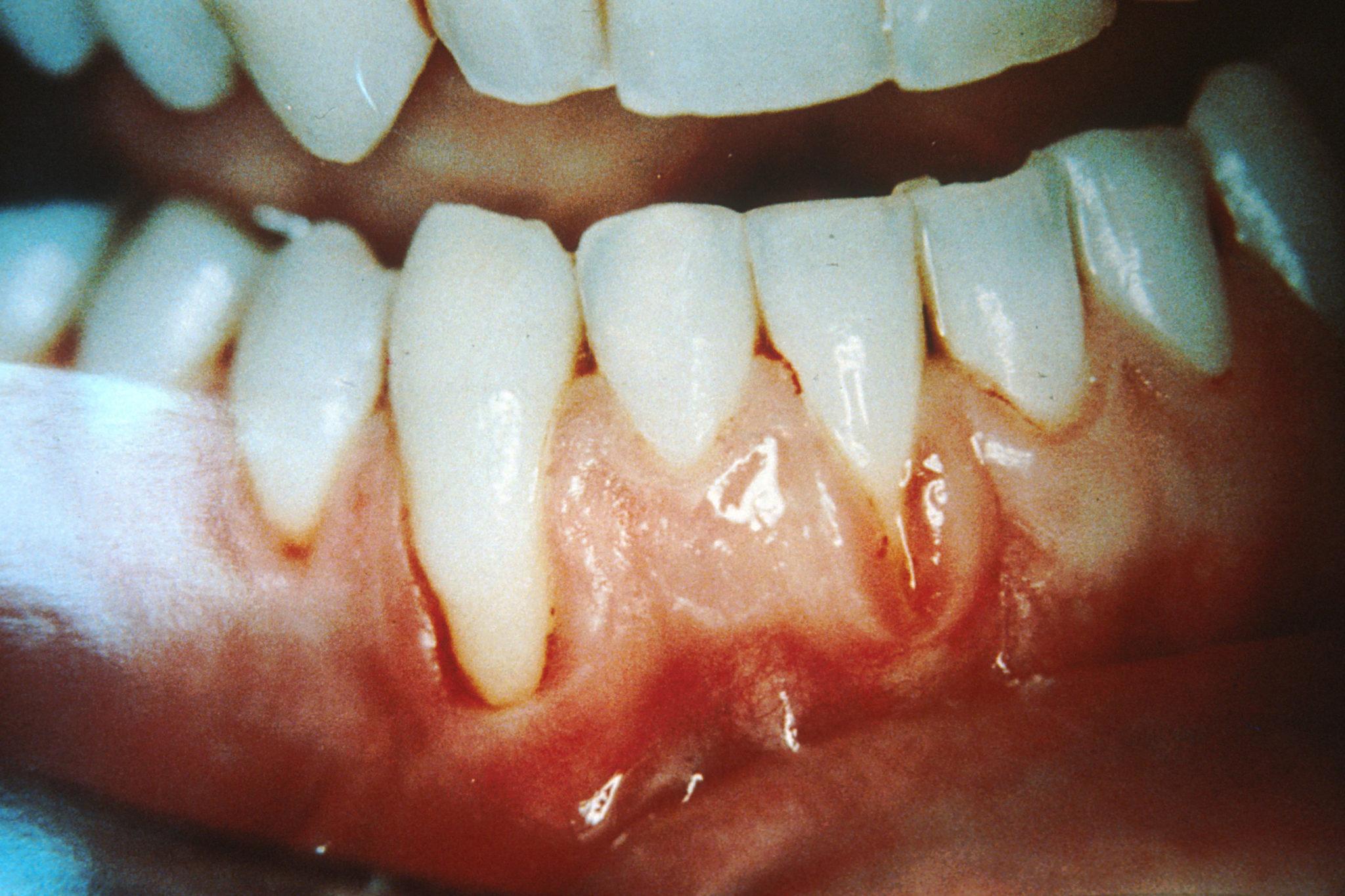
- Gum recession is where the gums start to pull back and the tooth root gets exposed
- In most cases, people will only know that they are suffering from this problem if they suffer from tooth sensitivity, or if they see their tooth looking longer than usual
- Tobacco can cause sticky plaque to develop, this is very difficult to clean, and it can cause gum recession
- Dentist can do deep cleaning to help restore your gums
- In severe cases, the dentist might have to perform gum surgery
Knowing the cause
Gum recession happens as a result of many different factors, some of which include:Piercing on the lip or tongue – Jewelry can irritate the gums and it can cause it to wear awayBrushing the teeth too hard – brushing your teeth aggressively can wear away your teeth and gumsThe use of tobacco – tobacco can create sticky plaque on the teeth, this is very hard to remove, and it can cause gum recessionBruxism – clenching and grinding your teeth can damage it and it can also damage your gumsMisaligned teeth – having a bad bite can put bite forces on your gums or on the bones that support your teethHormonal imbalance – changes in hormones, especially in women during puberty, pregnancy, and menopause, can make the gums more prone to recessionGenes – recent studies have shown that as much as 30% of the population are predisposed to gum disease no matter how much they care for their oral healthPoor oral hygiene – inadequate dental care can easily turn plaque into hard tartar, this can cause serious dental problems including gum recessionGum disease – gum infections need to be treated right away, otherwise, it can cause recession, and it can damage the surrounding bone structures and tissuesTreating gum recession
Deep cleaning must be done on areas where the gums have receded, this is also known as root planing or tooth scaling. The process requires that the dentist removes the buildup of plaque or tartar on the teeth and on the surfaces below the gum line or inside the gap. These surfaces have to be smooth in order to make it more difficult for the bacteria to create plaque. Antibiotics might also be necessary to help remove the bacteria near the tooth root. In severe cases, gum surgery may be required to help restore the damage.Related reading: Gum Recession
Frequently Asked Questions
What is gum recession?
Gum recession is when the gums start to pull back and expose the tooth root, creating gaps that allow bacteria to invade and potentially cause tooth loss.
What causes gum recession?
Causes include aggressive brushing, tobacco use, bruxism, misaligned teeth, hormonal changes, genetics, poor oral hygiene, gum disease, and lip or tongue piercings.
How can gum recession be treated?
Treatment includes deep cleaning to remove plaque and tartar below the gum line, antibiotics to control infection, and in severe cases, gum surgery.
How can I tell if I have gum recession?
Signs include tooth sensitivity, teeth appearing longer than usual, and the development of a notch near the gum line.
Why is it important to treat gum recession?
If left untreated, gum recession can lead to bacteria buildup, tooth loss, and damage to the tissues and bone supporting the teeth.