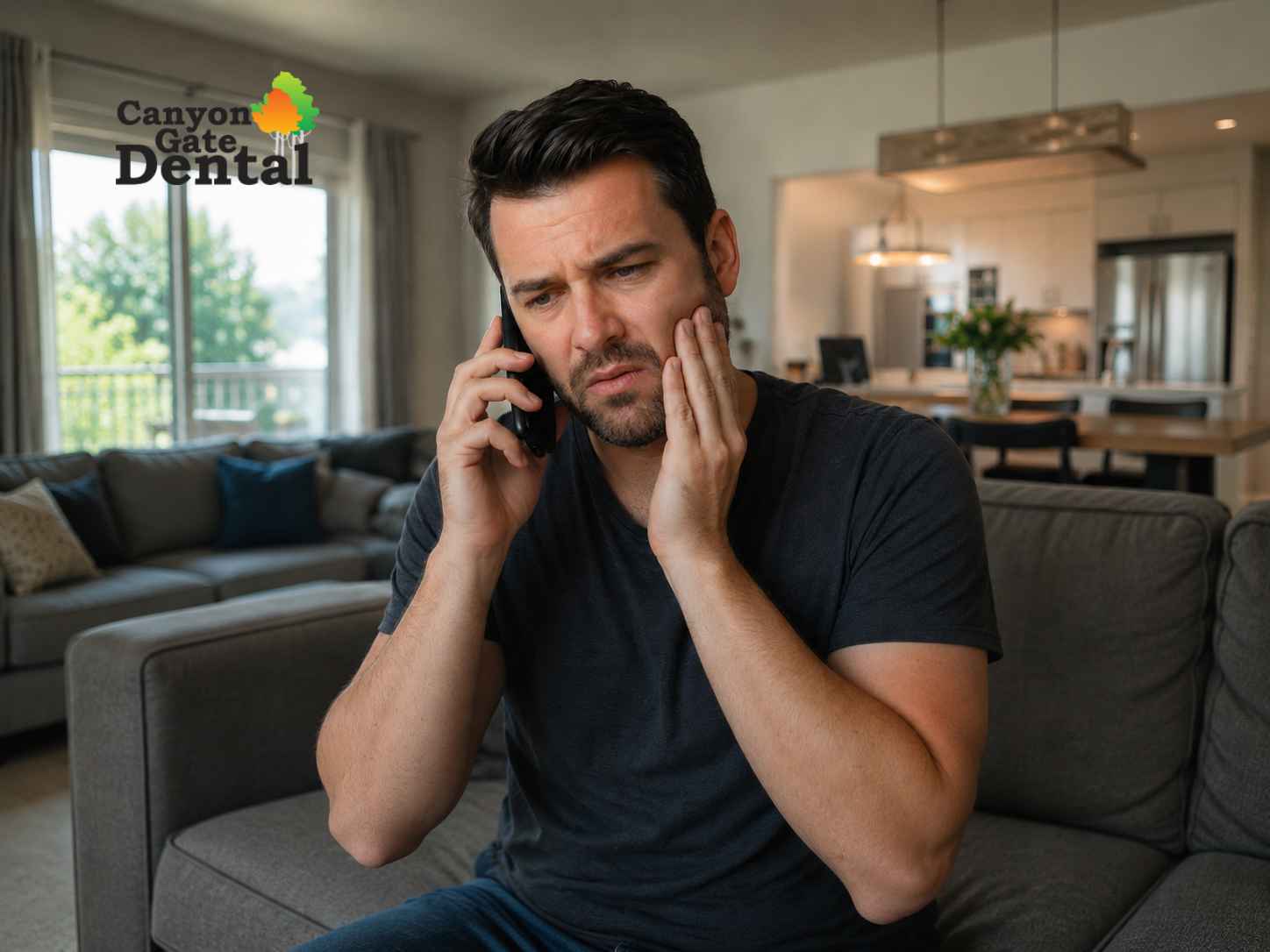
How to Handle a Severe Toothache Before You See an Orem Emergency Dentist
If you have a severe toothache, call an Orem emergency dentist as soon as possible. While you wait, rinse gently with warm water, floss carefully to remove trapped food, apply a cold compress to the outside of your cheek, and use an over-the-counter pain reliever only if it is safe for you and taken exactly as the label directs. Do not place aspirin, alcohol, or other chemicals directly on the tooth or gums. These steps may reduce discomfort temporarily, but they will not treat the cause of the pain.
Dental pain can become difficult to ignore during work, school, or a sleepless night. In Orem and the surrounding Utah Valley area, the next step depends on your symptoms: most severe toothaches need prompt dental evaluation, while facial or neck swelling that affects breathing or swallowing requires emergency medical care.
First Steps to Reduce Toothache Pain Safely
Start by protecting the area and avoiding anything likely to make the pain worse. A toothache may come from decay, a loose or damaged filling, a cracked tooth, gum inflammation, an exposed root, or infection. Because different problems can feel similar, home care should stay simple and low-risk until a dentist can examine the tooth.
1. Rinse gently with warm water
Use plain warm water to clear debris from around the painful tooth. The water should feel comfortable, not hot. Swish gently and spit it out. Aggressive rinsing is unnecessary and may irritate tender tissue. If you recently had dental work, follow the instructions provided by your dentist rather than adding homemade rinses.
2. Floss carefully around the painful tooth
Food wedged between teeth can create sharp, focused pain and pressure. Slide floss gently between the teeth and curve it around each side. Stop if flossing causes significant bleeding or if the floss catches on a broken filling or jagged tooth. Never use a pin, knife, or another sharp object to remove debris.
3. Apply a cold compress outside the cheek
If the area feels swollen or throbs, hold a cold pack wrapped in a thin towel against the outside of your face for short intervals. Do not place ice directly on your skin or against the tooth. Cold may temporarily reduce swelling and dull pain, but increasing facial swelling still needs urgent professional attention.
4. Use pain medicine only when it is safe for you
Over-the-counter pain relievers can help while you arrange care. Follow the package directions and do not exceed the labeled amount. Ask a pharmacist or medical professional before taking a medicine if you are pregnant, take blood thinners, have kidney or liver disease, have a history of stomach ulcers or bleeding, have medication allergies, or are unsure about interactions. Children and teenagers should receive only age-appropriate medicine selected with guidance from a parent, pharmacist, pediatrician, or dentist.
5. Keep pressure and temperature away from the tooth
Chew on the opposite side and choose soft foods that are neither very hot nor very cold. Avoid sticky candy, hard foods, and sugary drinks. Resting with your head slightly elevated may make nighttime throbbing feel less intense for some people. Continue brushing, but use a soft touch around the painful area.
Quick Guide: What Helps and What Can Cause Harm
| Situation | Safer temporary step | Avoid |
| Food may be trapped | Floss gently around the tooth | Pins, toothpicks, or sharp tools |
| Cheek feels swollen | Cold compress outside the face | Heat on a swelling or ice on bare skin |
| Tooth throbs at night | Elevate your head and call a dentist | Waiting several days for severe pain to pass |
| Pain relief is needed | Use a suitable OTC medicine as labeled | Putting aspirin or medicine on the gums |
| Tooth is sensitive | Choose soft, lukewarm foods | Very hot, cold, hard, sticky, or sugary foods |
What Not to Put on an Aching Tooth
A severe toothache can make improvised remedies sound appealing, but some can burn tissue, delay care, or hide worsening symptoms. Keep these products away from the tooth and gums unless your dentist specifically directs you to use them:
- Aspirin or crushed pain-relief tablets placed directly on the gums. The American Dental Association warns that aspirin can burn gum tissue.
- Rubbing alcohol, household disinfectants, bleach, peroxide mixtures, or essential oils. These can irritate or injure oral tissue and are not substitutes for dental treatment.
- Leftover antibiotics. The wrong antibiotic may not address the problem, and antibiotics alone do not repair decay, drain every infection, or restore a damaged tooth.
- Temporary filling material used deep inside a cavity or on a sharp fracture without professional advice. Covering the area incorrectly can trap debris or make evaluation harder.
Also avoid repeatedly poking the tooth to identify the exact spot. A dentist can use an examination and, when appropriate, dental imaging or other tests to determine whether the source is the tooth, surrounding gum, bite, or another nearby structure.
When a Severe Toothache Needs an Orem Emergency Dentist
Call an Orem emergency dentist promptly when pain is severe, persistent, or interfering with sleep and normal activity. The need becomes more urgent when tooth pain is accompanied by swelling, fever, pain when biting, a bad taste or drainage, red or swollen gums, a broken tooth, a lost restoration, or recent dental treatment followed by worsening pain.
Pain that briefly improves does not always mean the problem is gone. In some cases, a damaged or infected nerve may stop responding even as disease around the tooth continues. A dental examination is the only reliable way to identify the cause and discuss treatment.
What an Emergency Dentist May Check
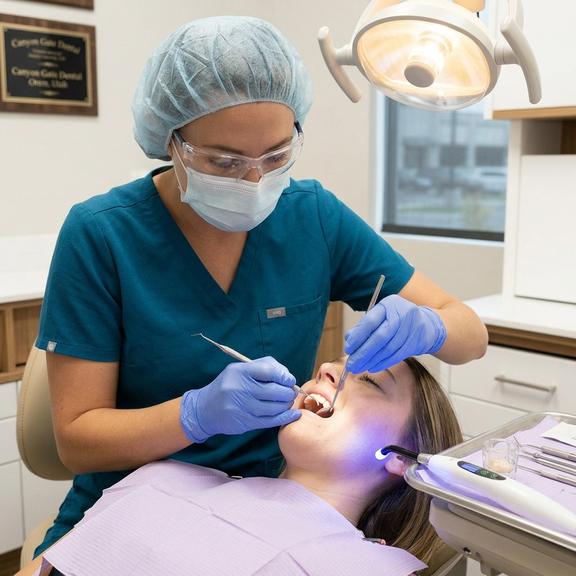
At an urgent visit, the dental team will ask when the pain began, what triggers it, whether it wakes you, and whether you have swelling, fever, drainage, trauma, or recent treatment. They may examine the tooth, gums, bite, existing fillings or crowns, and nearby teeth. Dental X-rays may be recommended to look for decay, bone changes, a hidden fracture, or infection that is not visible during the clinical exam.
Treatment depends on the diagnosis. A dentist may repair a damaged restoration, protect a cracked tooth, treat the inside of an infected tooth, drain an infection when appropriate, address gum-related pain, adjust a bite problem, or remove a tooth that cannot be restored. The immediate goal is not simply to numb the pain; it is to control the source and protect your oral and overall health.
Bring a list of your medications, allergies, medical conditions, and recent dental procedures. If you are calling Canyon Gate Dental, describe the pain and any swelling clearly so the team can help determine the appropriate next step and appointment timing.
Why You Should Not Wait Out Severe Dental Pain
A mild, brief sensitivity can have a different cause from constant throbbing pain, but severe pain deserves attention. Delaying care may allow decay to deepen, a fracture to spread, or an infection to involve surrounding tissues. Waiting can also narrow the treatment options available to save a tooth.
For Orem residents, arranging care early can also prevent an urgent dental problem from disrupting work, classes at Utah Valley University, family schedules, or weekend plans. Keep the office number in your phone, especially if someone in the household has a history of cracked teeth, large restorations, or recent treatment. If the office is closed, leave a clear message and follow any after-hours instructions. If dangerous swelling or medical red flags develop, use emergency medical services instead of waiting for the dental office to reopen.
Call Canyon Gate Dental for Emergency Dental Care in Orem
A severe toothache is a warning sign, not a problem you should have to manage alone. Use the temporary steps above to protect the area, then call Canyon Gate Dental at 801-764-9444 for help arranging an evaluation with an Orem emergency dentist. The office is located at 440 W 800 N in Orem, Utah. If swelling affects your breathing or swallowing,
Frequently Asked Questions
How long can I wait with a severe toothache?
Do not wait several days to see whether severe pain disappears. Call a dentist promptly, especially if pain is constant, wakes you, or comes with swelling, fever, pain when biting, drainage, or a bad taste. Symptoms involving breathing, swallowing, the eye, or the neck require emergency medical care.
Can I put aspirin directly on the painful tooth?
No. Aspirin placed on a tooth or gum can burn the soft tissue. If an over-the-counter pain reliever is safe for you, swallow it only as directed on the package rather than placing it in your mouth.
Will antibiotics stop a severe toothache?
Not every toothache needs an antibiotic, and antibiotics do not repair cavities, cracks, loose fillings, or dead tissue inside a tooth. A dentist must diagnose the cause and provide the appropriate dental treatment. Never take leftover medication or someone else’s prescription.
Should I use heat or ice for a toothache?
Use a cold compress wrapped in a thin towel on the outside of the cheek when swelling or throbbing is present. Avoid direct ice on skin or tooth and avoid heating a facial swelling. Increasing swelling needs urgent evaluation.
Can a severe toothache go away on its own?
Pain can fluctuate, but improvement does not prove that the underlying problem has healed. Decay, a crack, or an infection can remain even when pain decreases. Schedule a dental examination to identify the cause.
When should I go to the emergency room instead of a dentist?
Seek emergency medical care for trouble breathing, swallowing, or speaking; swelling near the eye or neck; uncontrolled bleeding; major facial trauma; or rapidly worsening illness. A hospital can protect the airway and manage serious medical complications, while a dentist treats the source of most tooth pain.
What should I tell an Orem emergency dentist when I call?
Explain where the pain is, when it started, whether it is constant or triggered, and whether you have swelling, fever, drainage, trauma, or recent dental work. Mention medical conditions, pregnancy, medication allergies, and any medicines you take.