Teeth Crooked Again After Braces? An Orem, UT Guide
If your teeth look crooked again after braces, the most likely reason is that they were never meant to stay put on their own. Teeth sit in living bone and gum tissue that keeps adjusting for life, and without a retainer they tend to drift back toward where they started. Lower front teeth usually crowd first. Other common causes include a retainer that no longer fits, a broken bonded retainer wire, teeth grinding, gum disease, and normal changes that come with age.
The good news: mild shifting can often be corrected without going back into full braces. Here is what is happening and what Orem adults can do about it.
Why Teeth Shift After Braces
Braces move teeth by slowly remodeling the bone around them. When the brackets come off, that bone and the fibers holding each tooth are still settling into the new position. A Cochrane review of orthodontic retention research describes it plainly: without a retention phase, teeth tend to relapse, meaning they return toward their original position.
That pull does not fully disappear after a year or two. The American Association of Orthodontists (AAO) notes that teeth naturally shift as we get older, which can lead to crowding in the lower front teeth or gaps in the upper teeth. So even someone who wore a retainer faithfully through high school can see changes in their twenties, thirties, and beyond if they stopped.
In other words, crooked teeth after braces are not a sign that your orthodontist did a bad job. They are usually a sign that retention stopped before your teeth stopped moving.
Common Reasons Teeth Look Crooked Again After Braces
Most cases come down to one or more of the following.
You stopped wearing your retainer
This is the most common reason by far. Harvard Health notes that in most cases retainers are meant to be worn for life, with removable retainers worn every night. Many people were told that as teenagers but drifted away from it once life got busy.
That pattern is especially common in Utah Valley. A lot of Orem patients had braces in junior high or high school, then left for college at UVU or BYU, served a mission, or moved for work. Retainers get lost, cracked, or left in a drawer during those transitions, and the shifting starts quietly.
Your retainer no longer fits
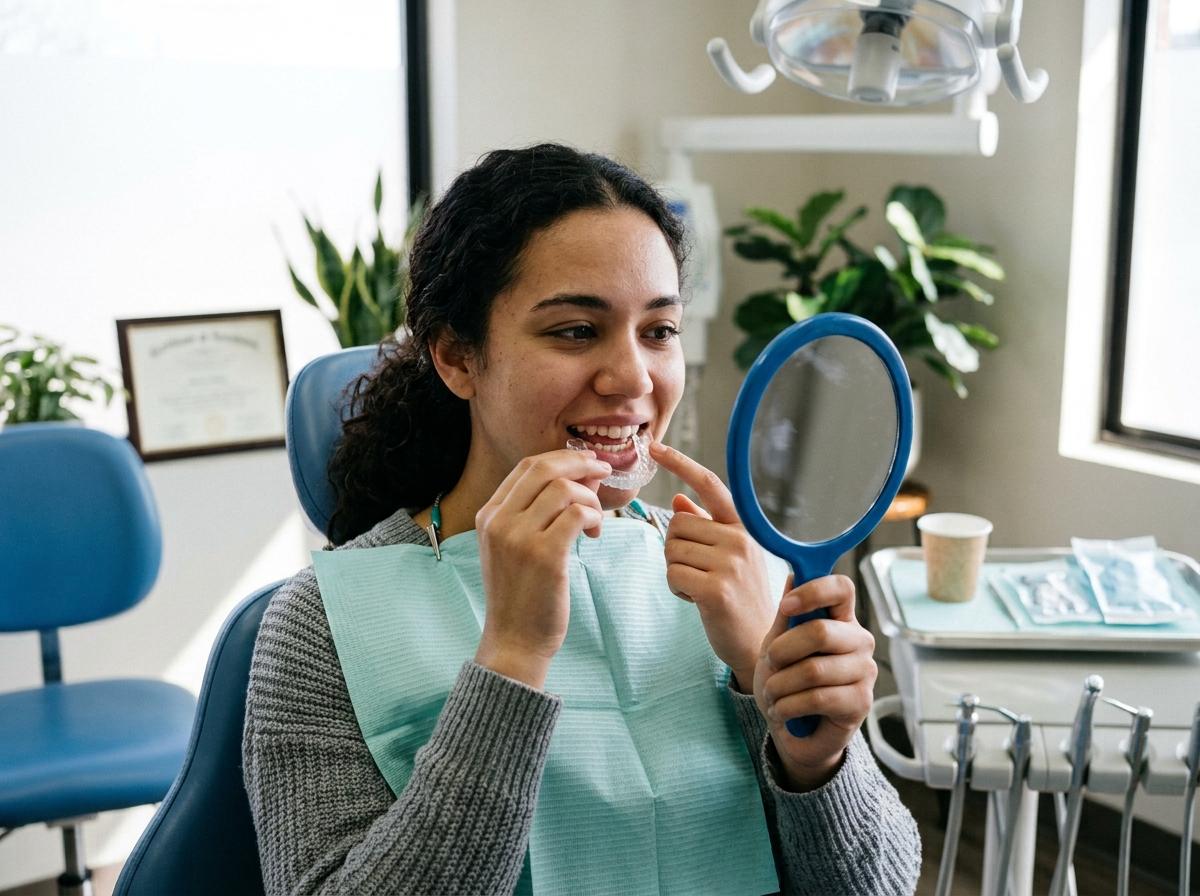
The AAO points out that a retainer that feels tight or will not seat fully is a sign your teeth have already moved. Clear plastic retainers also wear out over time. If you have been forcing an old retainer into place, it may not be holding your teeth where they belong anymore.
A bonded retainer wire broke or came loose
Permanent retainers, the thin wire glued behind your front teeth, can come unbonded from one tooth without much warning. You may not notice until that tooth starts to rotate or drift. Run your tongue along the wire every so often. If one spot feels loose or rough, have it checked.
Grinding and clenching
Heavy grinding or clenching, often at night, puts steady pressure on teeth that can push them out of position over time. Many people do not know they grind until a dentist spots the wear patterns.
Gum disease or tooth loss
Teeth rely on healthy gums and bone for support. Gum disease can weaken that support and let teeth fan out or drift. A missing or extracted tooth also leaves a space that neighboring teeth slowly lean into.
What about wisdom teeth?
Many people blame wisdom teeth for crowding after braces. A 2023 systematic review found no clear connection between lower wisdom teeth and front-tooth crowding after orthodontic treatment, and not enough evidence to remove them just to keep teeth straight. Wisdom teeth can still cause other problems, so they are worth evaluating, but removing them is not a reliable way to straighten teeth that have shifted.
Is It Normal for Teeth to Shift Years After Braces?
Some movement is normal, and the AAO notes that teeth can continue to move well into adulthood. What matters is how much and whether it bothers you.
A small change, like one lower front tooth turning slightly, may be purely cosmetic. More noticeable shifting can cause practical problems:
- Harder cleaning. Overlapping teeth trap plaque and are tougher to floss, which raises the risk of cavities and gum problems between them.
- Bite changes. As teeth move, the way your upper and lower teeth meet can change, leading to uneven wear.
- Ongoing drift. Shifting rarely stops by itself. The longer it continues, the more involved the correction becomes.
If you have noticed your teeth looking crooked again after braces, the best time to act is early, while the movement is still small.
How to Fix Teeth That Shifted After Braces
The right fix depends on how far your teeth have moved and why. Here are the main options, from simplest to most involved.
Get a new retainer, if the shift is very small
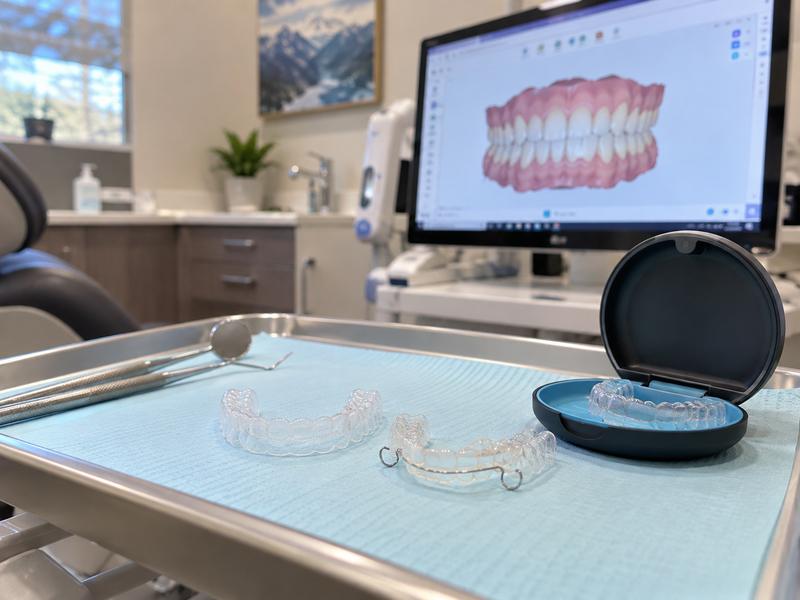
If your teeth have barely moved, a new retainer made from a current scan may be enough to hold them where they are now. A retainer is designed to hold teeth in place, not to move them back, so this works best when you catch the change early. Do not force an old retainer that hurts to put in.
Clear aligners for mild to moderate shifting
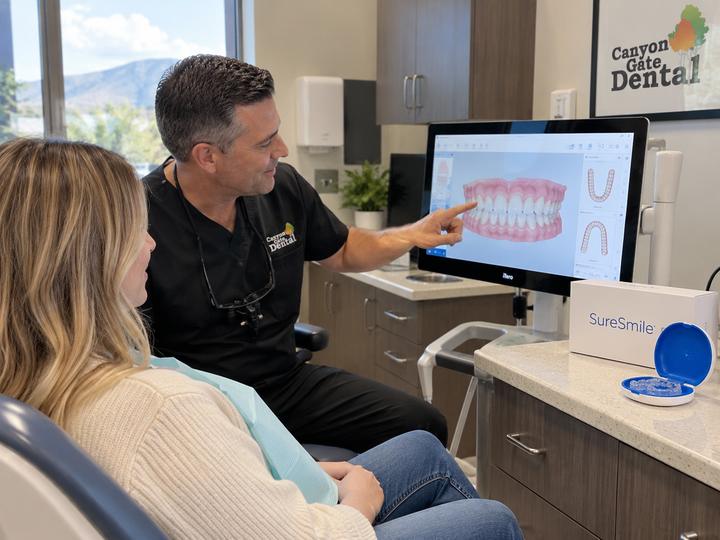
For most adults with noticeable relapse, clear aligners are the most practical way back to a straight smile. At Canyon Gate Dental in Orem, we use SureSmile clear aligners. Treatment starts with 3D imaging of your teeth and bite, then a custom series of aligners you wear 20 to 22 hours a day, switching trays every one to two weeks. Because relapse cases often involve only a few teeth, treatment can be shorter than the original braces were.
Every aligner plan should end with a retention plan, so you do not have to go through this again. Our guide to preparing for SureSmile aligners covers what that looks like.
Braces or a specialist referral for complex cases
If your bite has changed significantly or the movement is severe, aligners may not be the right tool. In that case, Dr. Young will explain the options honestly, including whether a referral to an orthodontist makes more sense for your situation.
Treat the underlying cause
Straightening teeth without addressing why they moved invites the problem back. That may mean treating gum disease first, repairing a broken retainer, or using a night guard if grinding is part of the picture.
Keeping Your Teeth Straight After Treatment
Whether you are fixing relapse now or just finished treatment, a few habits make the biggest difference:
- Wear your retainer as prescribed, usually every night long term. Think of it as part of your nightly routine, like brushing.
- Replace retainers on schedule. SureSmile notes its retainers are designed for up to about 12 months of wear with proper care. Ask about keeping a backup set.
- Bring your retainer to dental checkups so the fit can be checked.
- Check a bonded wire regularly and call promptly if it feels loose.
- Mention grinding or jaw soreness at your visits so it can be addressed early.
Researchers have not settled on one retainer type that works best for everyone, so the right plan depends on your teeth, your bite, and your habits. That is a conversation worth having before your last aligner, not after.
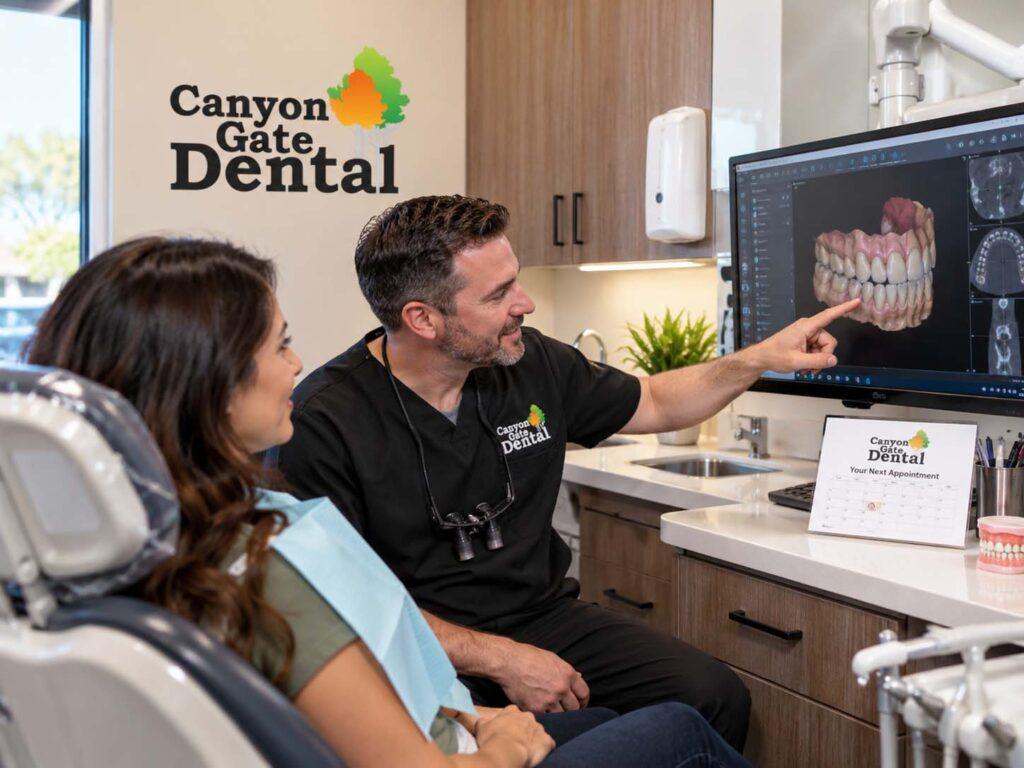
Talk to Canyon Gate Dental About Shifted Teeth in Orem
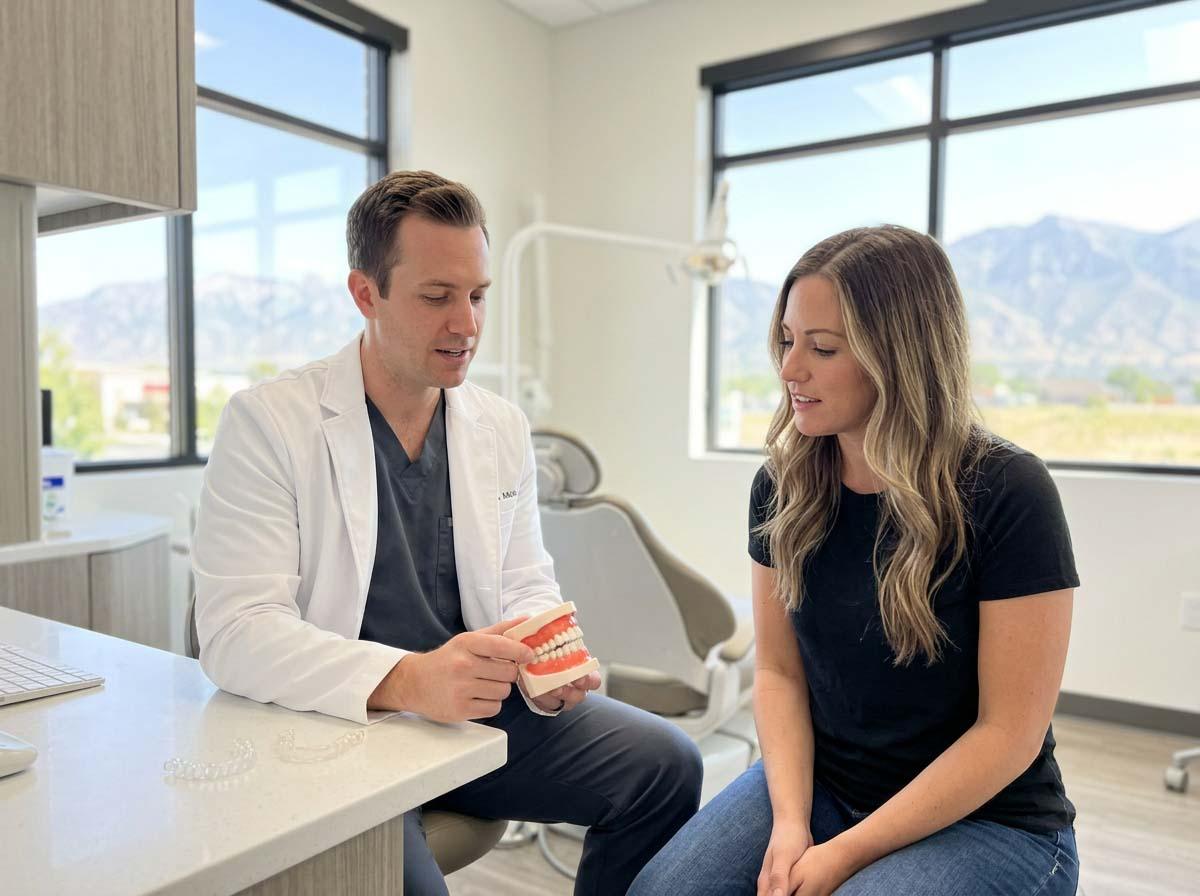
If your teeth look crooked again after braces, Canyon Gate Dental can help you figure out why and what it will take to fix it. Dr. Nick Young and our team will scan your teeth, check your bite and gums, and walk you through whether a new retainer, SureSmile clear aligners, or another option fits best.
Call Canyon Gate Dental at (801) 764-9444 or book online. We are at 440 W 800 N in Orem and see patients from Lindon, Provo, Pleasant Grove, and across Utah Valley.
Frequently Asked Questions
Why do my teeth look crooked again after braces?
Most often because retainer wear stopped or the retainer no longer fits. Teeth naturally drift back toward their original positions and continue shifting with age. Grinding, gum disease, a broken bonded wire, or a missing tooth can also play a role.
Can my old retainer fix my shifted teeth?
Usually not. Retainers are built to hold teeth in place, not move them. If an old retainer feels very tight or will not seat fully, stop forcing it and have your teeth evaluated. Mild shifting may need aligners first, followed by a new retainer.
How long do I need to wear a retainer after braces?
For most people, indefinitely. Removable retainers are typically worn every night long term once the initial full-time period is over. Your dentist or orthodontist will set the schedule based on your case.
Can clear aligners fix teeth that shifted after braces?
Yes, in many cases. Clear aligners like SureSmile work well for mild to moderate relapse, such as crowding of the lower front teeth or small gaps. More complex bite changes may need a different approach, which a consultation will determine.
Is it normal for teeth to shift years after braces?
Yes. The AAO notes that teeth continue to move into adulthood, often showing up as lower front crowding. Wearing a retainer at night is the main way to slow that drift.
Do wisdom teeth cause teeth to shift after braces?
Current research has not found a clear connection between wisdom teeth and crowding after braces. Wisdom teeth should still be evaluated for other reasons, but removing them is not a reliable fix for shifted teeth.