- Dentists recommend that you brush your teeth twice a day, and floss once a day to protect your teeth from tooth decay and gum disease
- Flossing allows you to clean the small spaces in between your teeth where food debris can get stuck, and where bacteria can hide
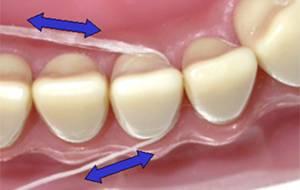
- You can floss the side of your teeth gently by rubbing it with an upward and downward motion
- Use 18 inches of floss and wrap both ends on your middle fingers so you can rub it firmly in between your teeth
- Cut around 18 inches of floss
- Wrap both middle fingers with each end of the floss
- Use one of your middle fingers to wrap the rest of the floss until only a few inches is left
- Hold the floss tightly with both thumbs and forefingers on each end, leaving an inch of floss in the middle
- Gently floss in between your teeth
- Put the floss gently on the side of your tooth
- Rub it gently and move it up and down while you press against each tooth
- Do this for the rest of your teeth especially your back teeth
Related reading: 5 Steps to a Flawless Floss
Frequently Asked Questions
Why is flossing important?
Flossing cleans the small spaces between teeth where toothbrush bristles cannot reach, removing food debris and bacteria to help prevent tooth decay and gum disease.
How often should I floss my teeth?
Dentists recommend flossing once a day in addition to brushing twice daily.
What is the proper way to floss?
Use about 18 inches of floss, wrap it around your middle fingers, hold it tightly with thumbs and forefingers, gently rub the floss up and down against each tooth, especially the back teeth.
Are there alternatives to ordinary floss?
Yes, products like plaque removers or flossers can be used, especially for people with braces or difficulty using regular floss, but consult your dentist first.
What should I do if I have trouble flossing?
Ask your dentist for advice or alternative flossing products to ensure effective cleaning and protection of your teeth and gums.